Modern ski goggles are wonders of technology. Today, there’s no reason to suffer through fogged or obscured optics. With photochromic lenses, contrast-enhancing light filtration, and easy lens interchange, you don’t have to squint or head to the lodge for lens swaps.
For a premium lens that stays fog-free and delivers excellent clarity in broad lighting conditions, choose the Smith I/O Mag ChromaPop. Our choice durable design with exceptional low-light protection is the Giro Revolt. And if you’re a fan of Smith, check out our info-packed round-up: The Best Smith Goggles.
Our team puts dozens of snow goggles to the grindstone. In our most recent four-month test window, SnowSports Senior Editor Morgan Tilton tested five pairs across 63 days with fog-ridden slopes, blizzards, and sunshine at Crested Butte Mountain Resort and RED Mountain Resort — plus night riding at the latter. Downhill skier Heather Rochfort tested two pairs for more than six weeks at Colorado’s Snowmass, Highlands, and Aspen Mountain.
Editor’s Note: We updated our Ski Goggles buyer’s guide on August 28, 2026, with the Goodr Snow G, Flaxta Prime, Smith Preview, Sweet Protection Clockwork RIG Reflect, and Giro Axis, plus Bottom Line summaries and signposts to help you quickly navigate.
The Best Ski Goggles of 2026


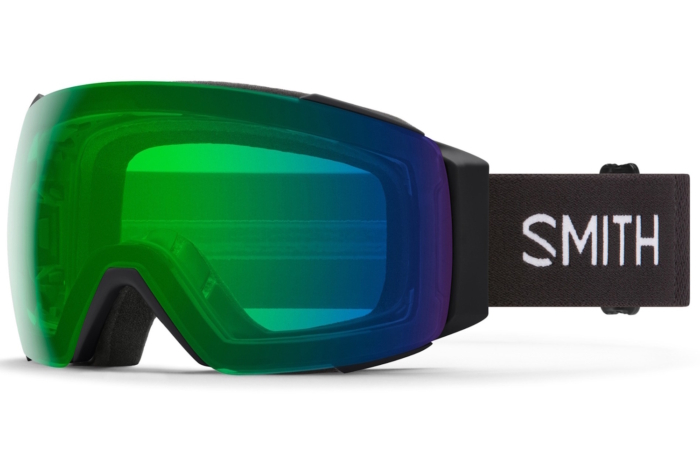
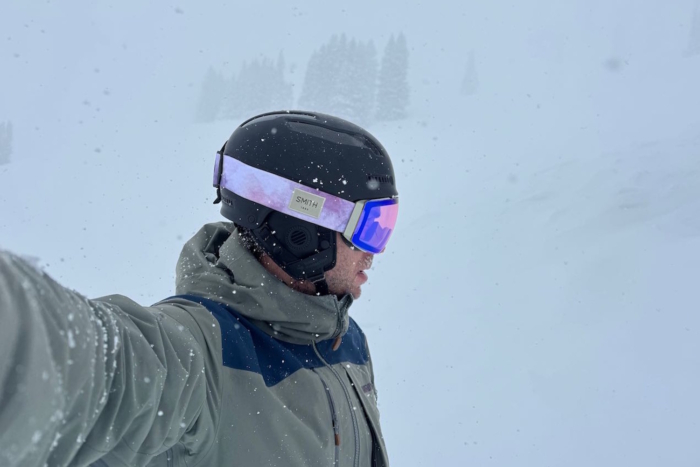
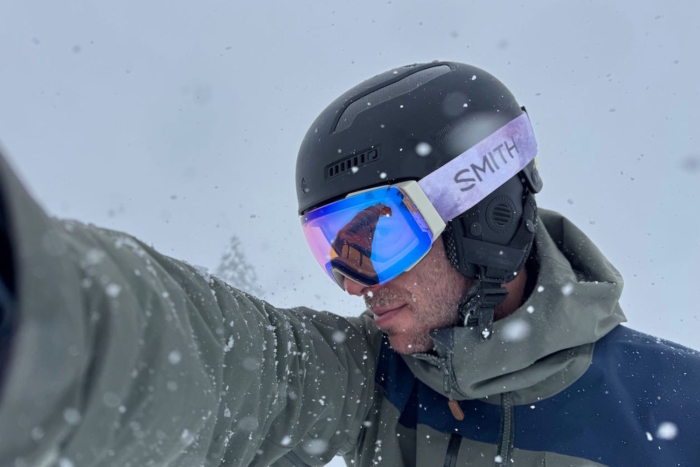
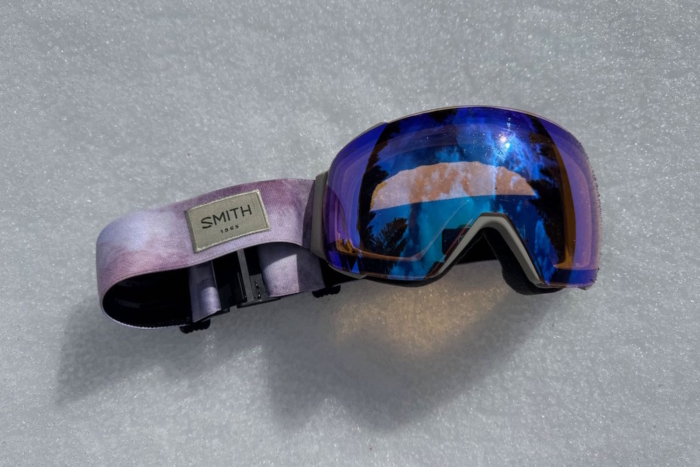
Smith I/O Mag ChromaPop
-

-
(Photo/Bergen Tjossem)
-
(Photo/Bergen Tjossem)
-
(Photo/Bergen Tjossem)

Specifications
Pros & Cons
Pros
- Easy to quickly change out lenses
- Anti-fog interior lens design
Cons
- Lenses are easily smudged while swapping due to the frameless design
Bottom Line: A high-performing, quick-change goggle that delivers maximum optical acuity across shifting alpine conditions. The Smith I/O Mag ChromaPop is the ideal choice for riders who demand crisp contrast, fog-free clarity, and a reliable fit.
If you are looking for top-tier eye protection on snowy days that does not sacrifice optics in changing light conditions, the Smith I/O Mag ChromaPop ($283) delivers. You can also upgrade to Smith’s ChromaPop Pro Photochromic lens for $30 more, which is well worth the extra investment for total visual adaptability.
The Tech: Smith’s proprietary ChromaPop technology enhances contrast and true color while reducing eye fatigue — a major perk for riders with sensitive eyes or contact lens wearers. The spherical lens curves along both the X and Y axes, elevating optical acuity across everything from bright sun to flat light. Seven rim magnets combined with dual mechanical release levers hold the lens firmly in place, making lens swaps remarkably fast.
What We Like: Senior Editor Morgan Tilton tested the I/O Mag during countless days of variable light at Crested Butte Mountain Resort and Telluride Ski Resort, as did ski goggle expert Bergen Tjossem, who roamed blizzard-ridden bowls at Vail Ski Resort. The frame silhouette creates a comfortable match across face shapes, and both testers found that this goggle pairs seamlessly with ski helmets. The goggle delivers exceptional fog prevention, easily outperforming rivals like the Smith 4D MAG ChromaPop ($320) when weather conditions turn sour. While the lenses require gentle care to avoid scuffs, the wide-open view and optical sharpness hit a sweet spot when riding hard on powder days. It’s also available in a small or a low bridge option.
What We Don’t: Bending the frameless frame is slightly rigid, though it remains comfortable for all-day wear. The rear strap has two plastic sliders and a central vertical clip designed for easy on-and-off over a helmet; however, adjusting tension while wearing the strap often causes the rear buckle to pop unclipped. Additionally, the outer lens coating feels somewhat sensitive to minor scratches and smudges, requiring careful handling off the hill.
Should You Buy It? For skiers and snowboarders seeking zero-distortion optics and rapid lens changes, this pair is a top contender. It is an essential piece of mountain gear that handles unpredictable weather with ease. If you want unmatched visual clarity and premium helmet integration, the I/O Mag ChromaPop is worth every penny. In particular, we recommend two of the 15 lenses: Storm Rose Flash for low light conditions with a 50% visible light transmission, and Everyday Rose Gold Mirror for moderate protection.
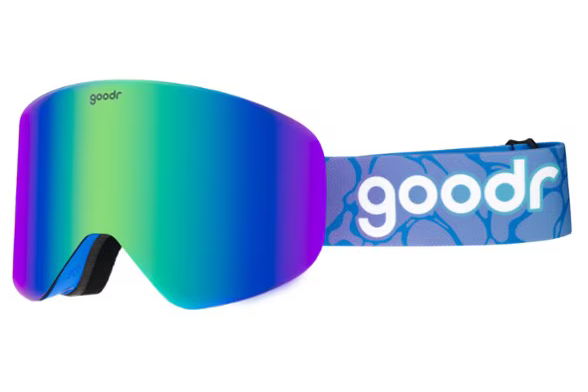
Goodr Snow G Goggles
Specifications
Pros & Cons
Pros
- Universal, medium fit that works for a lot of faces
- Plenty of color options
- Magnetic lenses are very easy to swap
- Quite affordable
Cons
- Optical quality is subpar, with a hazy effect
- They occasionally fog
Bottom Line: An ultra-affordable, magnetic option that delivers impressive crash durability and an easy fit for entry-level resort skiers. The Snow G is a solid pick for casual mountain days where budget and simplicity take priority over top-tier optical precision.
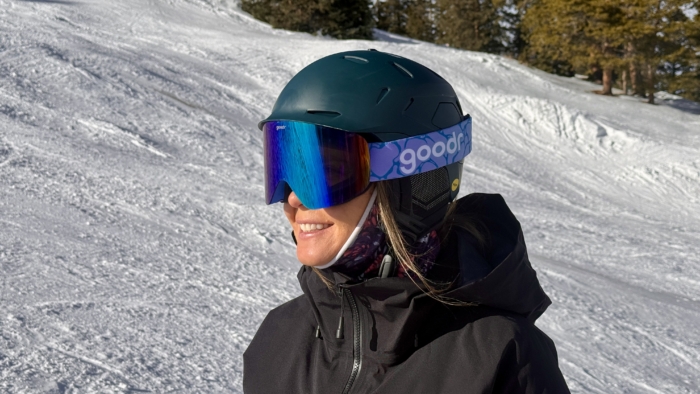
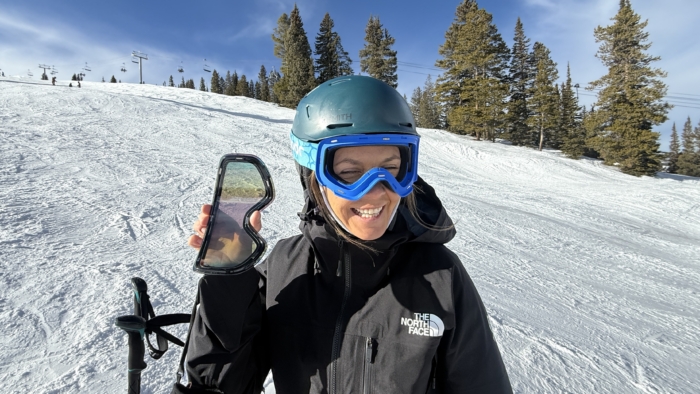
The Goodr Snow G Goggles ($75) are entry-level ski goggles built for people who want to keep things simple and affordable. GearJunkie contributor Heather Balogh Rochfort evaluated them over roughly six weeks of resort skiing, wearing them during her own laps and sending them out regularly with her 8-year-old daughter for ski school sessions.
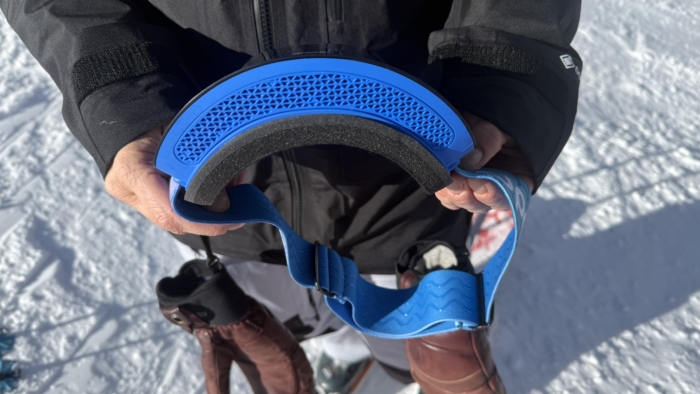
The Tech: The package includes two magnetic lenses designed for bright sun and low-light storm days. The perimeter magnets require noticeable effort to pull free, ensuring a tight hold that keeps the shield anchored. A silicone-backed strap keeps the chassis firmly positioned against a helmet, while top and bottom frame ports manage internal airflow.
What We Like: These goggles are the definition of no-fuss functionality. During testing at Highlands Ski Resort in Aspen, including multiple hard crashes in ski school and one full yard sale, the magnetic system never popped loose. Balogh Rochfort noted that the fit integrates cleanly with helmets from Smith, Sweet Protection, and Giro without leaving a gap across the forehead. On adults, the silhouette looks modern without feeling oversized, and it even scales down comfortably enough for older kids. Unlike budget competitors with rigid plastic frames, the pliable frame remains comfortable for casual resort laps.
What We Don’t: Optical performance falls noticeably short of premium models in our guide, such as the Smith I/O Mag ChromaPop ($283). Balogh Rochfort observed persistent glare and a hazy, trapped-fog appearance on bright bluebird days, even after cleaning the glass. Additionally, when snow packs into the frame vents during high-output skiing, moisture builds up quickly inside the lens.
Should You Buy It? Beginners, occasional resort skiers, or parents seeking an inexpensive secondary pair will find plenty of utility here. While serious athletes will want sharper, contrast-enhancing glass, the Snow G offers unbeatable magnetic security and style for under $100.
Giro Revolt
-
-
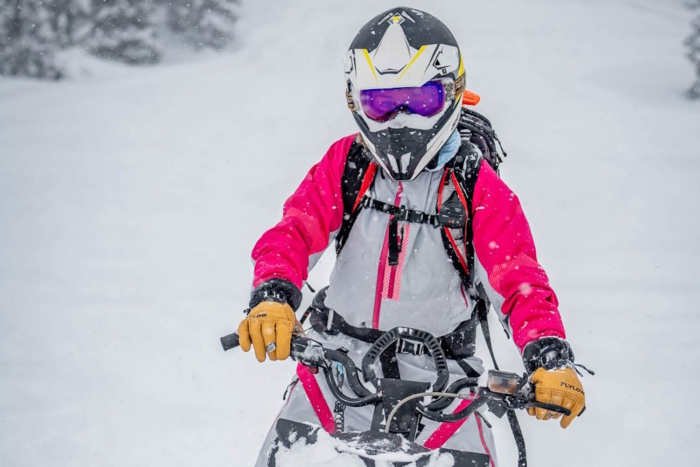
Snowmobiler Morgan Tilton testing the Flylow Super D ski gloves; (photo/Eric Phillips)
-
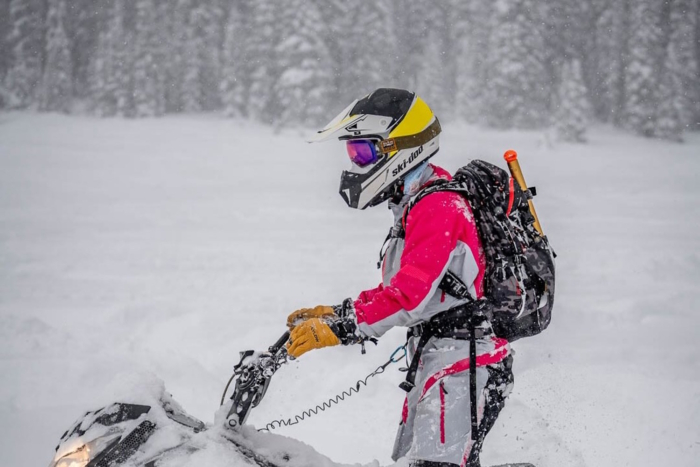
Snowmobiler Morgan Tilton testing the Flylow Super D ski gloves; (photo/Eric Phillips)
-
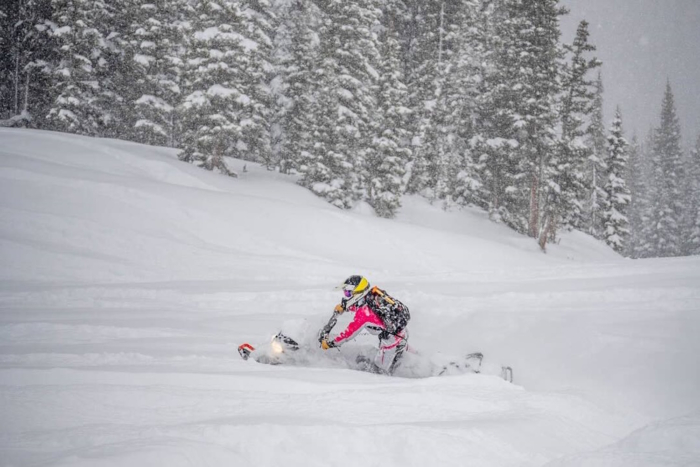
Snowmobiler Morgan Tilton testing the Flylow Super D ski gloves; (photo/Eric Phillips)
Specifications
Pros & Cons
Pros
- The included low-light lens works well in challenging conditions
Cons
- The lens is not the quickest to swap out
Bottom Line: A budget-friendly performer that delivers exceptional, all-day face comfort and high-contrast optics. The Revolt is an excellent option for riders who want top-tier terrain clarity without paying premium magnetic-lens prices.
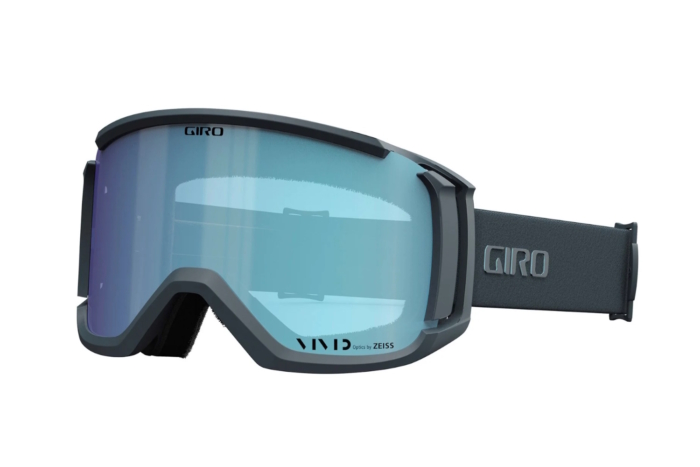
Looking for a moderately priced goggle with a comfortable fit and a dependable, sharp lens across light conditions? Consider the Giro Revolt ($150). Launched with input from the brand’s team riders, Senior Editor Morgan Tilton found this model to be a solid contender whether she was snowboarding, splitboarding, or snowmobiling over multiple seasons.
The Tech: The cylindrical lens has VIVID technology, which Giro co-developed with optical specialist ZEISS. In snowy environments, this glass blocks out flat light while allowing contrast-boosting blue light — with wavelengths on the visible light spectrum between 410 and 480 nanometers — to pass through to the user while filtering wavelengths between 600 and 800 nanometers. Complete UV protection remains intact, and a top row of five vents alongside two lower intake ports effectively eliminates fogging.
What We Like: After evaluating dozens of goggles side by side across several seasons, Tilton found this to be one of the most comfortable fits on the market. Unlike stiffer frames such as the Smith I/O Mag ChromaPop, the pliable frame with its thick 0.5-inch foam cushion never pushes into the nose bridge, upper cheeks, or forehead. It integrates seamlessly with a wide range of ski helmets without gaps or pressure points, remaining plush even when bundled up on a blizzard day. The traditional strap uses two sliding buckles for quick adjustments, backed by dual silicone strips for a secure helmet grip.
What We Don’t: The lens swap system is frustratingly tedious. Because the dual included lenses — one for bright sun and one for overcast conditions — snap directly into place around the frame perimeter, your fingers naturally leave smudges all over the glass during changes. Prying the lens out requires real patience, and slip-ups can easily tear the delicate vent foam. We learned to handle swaps at home or in the lodge rather than on the lift.
Should You Buy It? If superior face comfort and vivid optical contrast rank high on your list, this silhouette delivers incredible value. While swapping lenses takes extra effort, the storm-day performance and pressure-free frame fit make it a standout choice for budget-conscious mountain athletes.
Smith Skyline
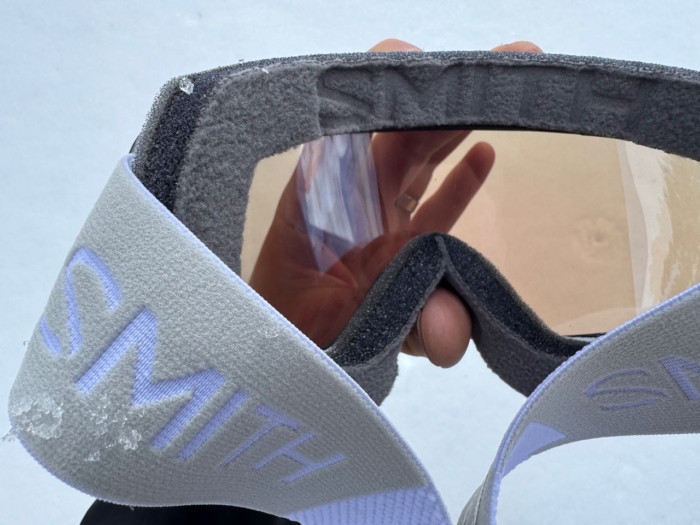
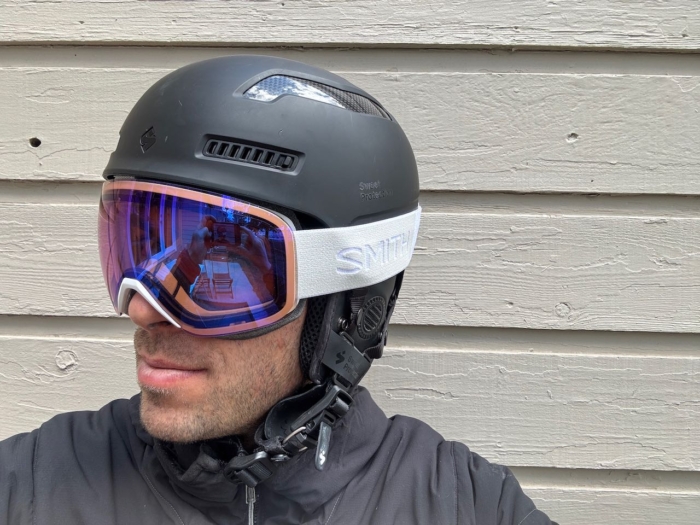
Specifications
Pros & Cons
Pros
- High quality optics
- Large field of view compared to other small/medium framed goggles
- Quality construction
Cons
- Low ventilation led to occasional fogging
- Only one lens included
- Lens is challenging to replace
Bottom Line: A sleek, frameless option that offers exceptional field of view and optical clarity for small to medium face shapes. The Skyline is a smart match for resort riders who want premium contrast enhancement in a single-lens setup.
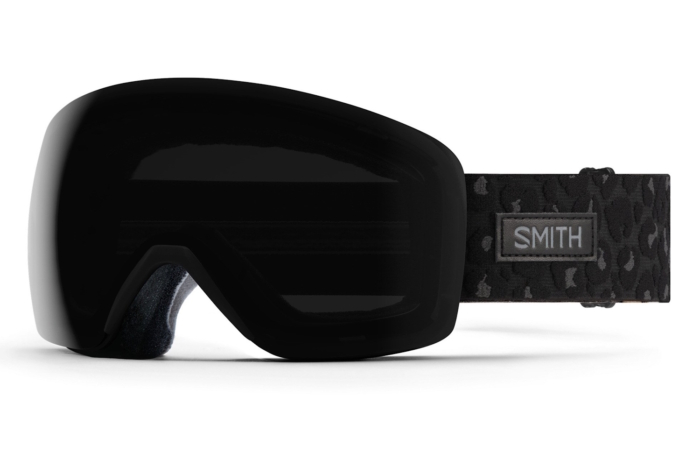
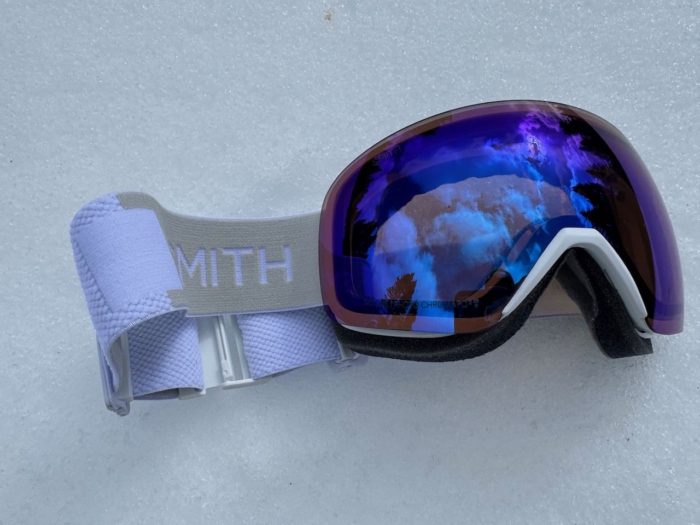
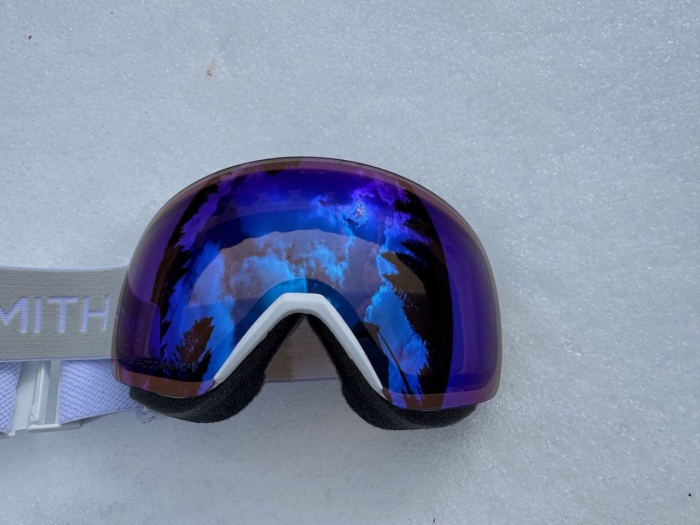
It all starts with the glass, or in this case, a Spherical Carbonic-x lens. Despite its compact footprint, the Smith Skyline ($193) provides an expansive field of view in all directions, delivering high-end optical clarity to smaller faces at a lower price point than flagship models.
The Tech: Smith’s signature ChromaPop technology augments contrast and sharpness at all distances, aiding eye recognition of subtle surface variations — crucial when differentiating fluffy powder from sheer ice in variable light. The edgeless frame has a low profile that stays out of the line of sight, particularly around the nose and lower peripheries. While replacement options exist, this model is built around a single fixed lens rather than a quick-change system.
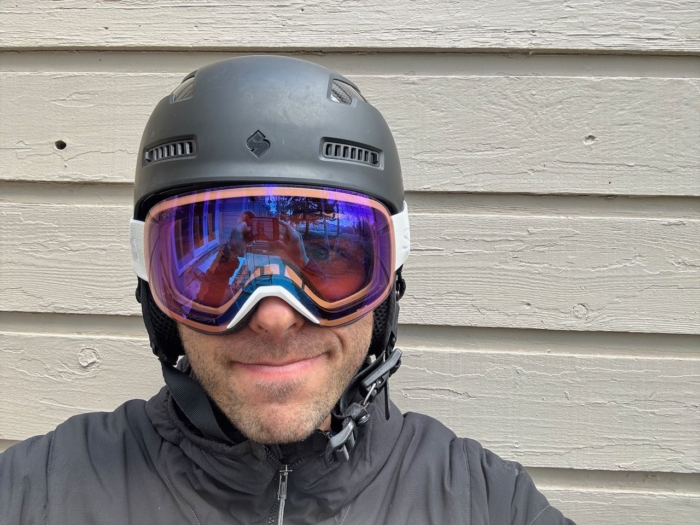
What We Like: Goggle expert Bergen Tjossem tested the Skyline during resort laps, noting that the obstruction-free design and broad peripheral vision excelled in crowded terrain. The frame and face foam sit evenly against the skin for a plush fit. For riders seeking broader light versatility without changing hardware, upgrading to the photochromic option ($218) expands the usable light spectrum.
What We Don’t: Unlike its larger, quick-change sibling inside our guide, the Smith I/O Mag ChromaPop ($283), changing lenses on the Skyline is tedious and cumbersome. Additionally, the ventilation system struggles during high-output efforts, fogging up more quickly when working up a sweat. The photochromic lens choice also tends to stay overly dark in heavy blizzard or deep overcast conditions.
Should You Buy It? Resort skiers with small or medium face profiles who prefer a set-it-and-forget-it approach will get immense value here. Provided you stick to chairlift laps rather than strenuous backcountry skin tracks, this pair delivers top-tier optical acuity without the premium price tag.
100% Norg Goggles
-
-
100% Norg goggle review; (photo/Will Brendza)
-
100% Norg Goggles; (photo/Will Brendza)
-
100% Norg goggle review; (photo/Will Brendza)
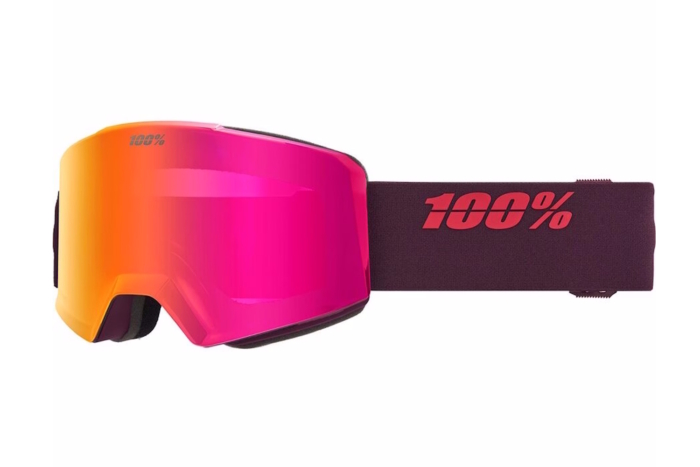
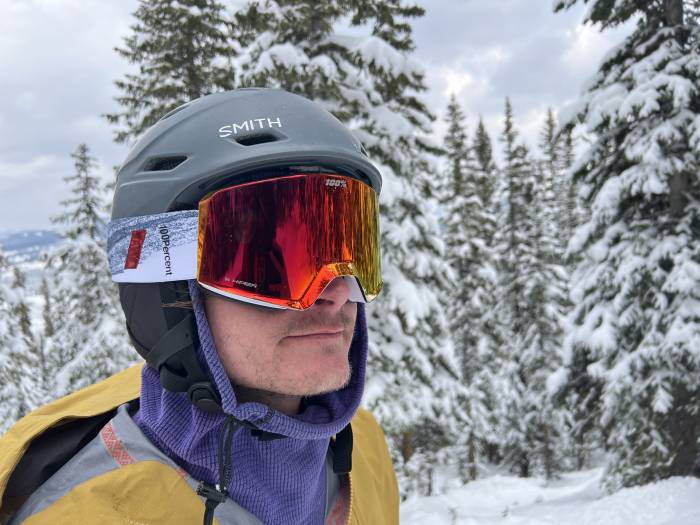

Specifications
Pros & Cons
Pros
- Super scratch and smudge resistant
- Powerful, easy to change magnetic lenses
- Excellent contract and clarity
Cons
- Lens is a tad on the larger size and might swallow a small face
- Loud style might not be everyone’s preference
Read Review: 100% Norg Goggle Review: Dialed, Sharp Lenses That Live Up to a Lot of Hype
Bottom Line: A futuristic, award-winning option with lightning-fast magnetic lens swaps and unmatched optical acuity. The Norg is ideal for riders seeking edge-to-edge clarity and a plush, highly flexible frame.
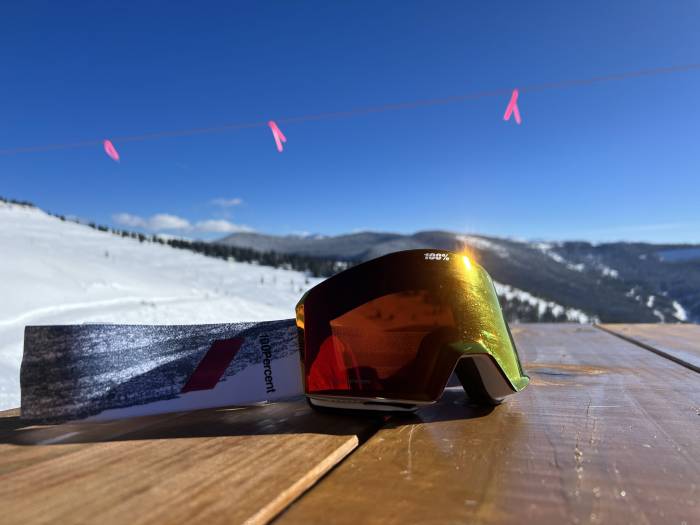
With a rimless design that cascades like a waterfall, the 100% Norg Goggle ($250) turns heads while delivering elite-level optical performance. It boasts the brand’s proprietary 3DPlane Molded Lens Technology — an innovation that structuralizes the lens so it sits completely flush in the frame, earning a prestigious ISPO Design and Innovation Award.
The Tech: Molded from shatterproof Ultra HD polycarbonate, the impact-resistant lens eliminates visual distortion across all five VLT lens categories. The surface utilizes HiPER contrast technology to filter gray-producing color wavelengths for enhanced terrain visibility in low light, backed by hydrophobic and oleophobic coatings that repel moisture, smudges, and scuffs. At its core, the Gravit8 interchange system relies on eight powerful magnets, allowing riders to pop the lens free with a thumbnail and snap a replacement into place almost effortlessly.
What We Like: Senior Editor Morgan Tilton found the optics provided an amazingly clear view where snowy surroundings appeared tint-free and natural. The frame remains so pliable that it can twist in hand without popping the lens, while a dense 0.5-inch layer of moisture-wicking microfleece foam cushions the face. In testing against other top models like the Smith I/O Mag ChromaPop ($283), the Norg stood out for its Gravit8 magnetic mechanism, making on-the-lift lens changes faster and more seamless than almost anything else on the market.
What We Don’t: On small-to-medium face shapes, the frame silhouette can feel slightly too roomy. Tilton noted moments during deep powder riding when the goggle crept down on her nose bridge, allowing flying snow to sneak inside. While the included microfiber storage sleeve magnetizes over the chassis for dual-lens protection, riders with lower nose bridges or higher cheekbones will want to opt for the Alt Fit version to eliminate facial gaps.
Should You Buy It? Riders who prioritize wide peripheral views and effortless lens swaps will see this premium pair as a standout. Provided the larger fit matches your face profile, the Norg delivers an unbeatable combination of futuristic style, high-contrast clarity, and rugged durability.
Salomon Sentry Prime Sigma
Specifications
Pros & Cons
Pros
- Very wide 50mm strap with silicon helps the goggles stay put on ski helmet
- Robust hard case (and microfiber bag) included
- Lenses have anti-fog treatment plus the frame has integrated vents
- Great value
Cons
- Large fit might not be game for smaller or medium-size faces
- Some might not prefer the extra-wide strap if they frequently pull their goggles up
Bottom Line: A feature-rich, large-frame option that pairs a broad field of view with an ultra-secure magnetic lens system and a premium hard case. The Sentry Prime Sigma is a great choice for skiers seeking two high-contrast lenses and rock-solid helmet integration at a fair price.
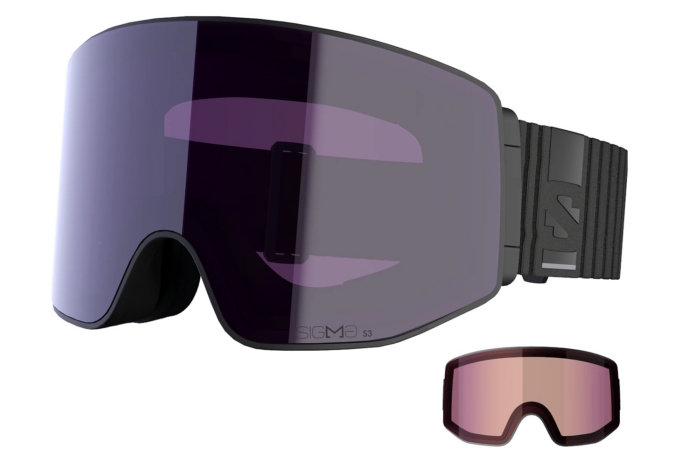
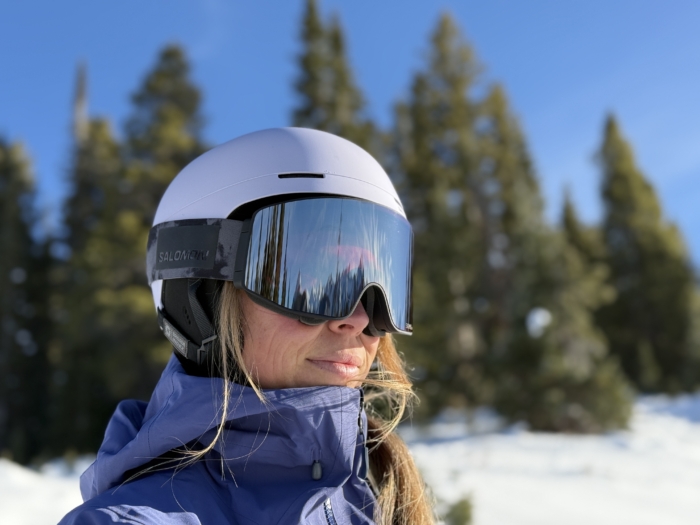
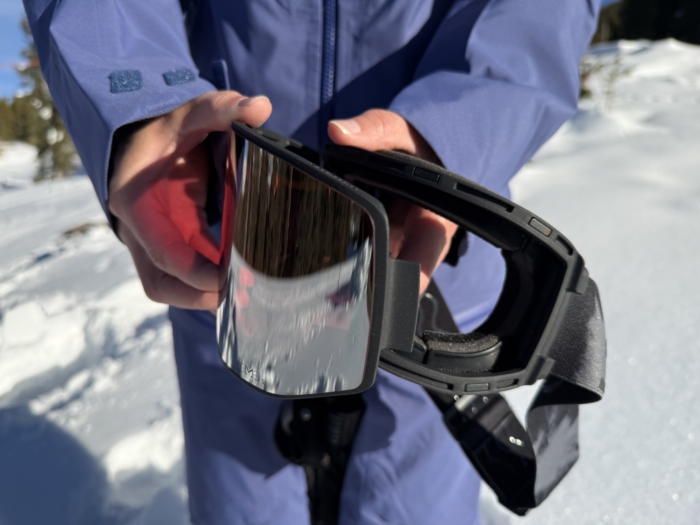
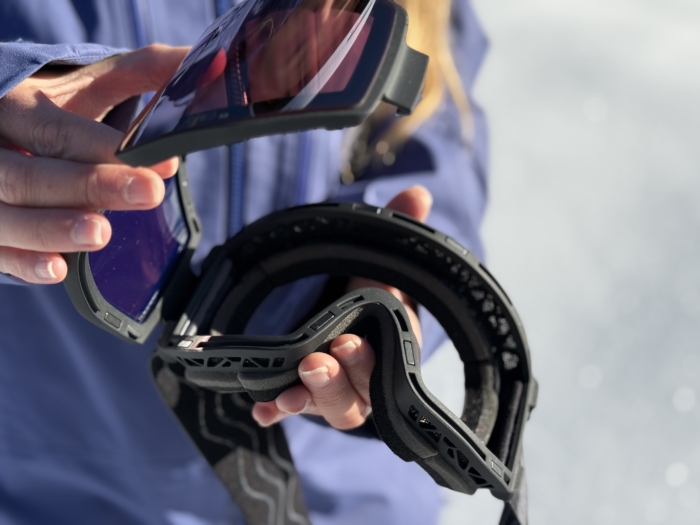
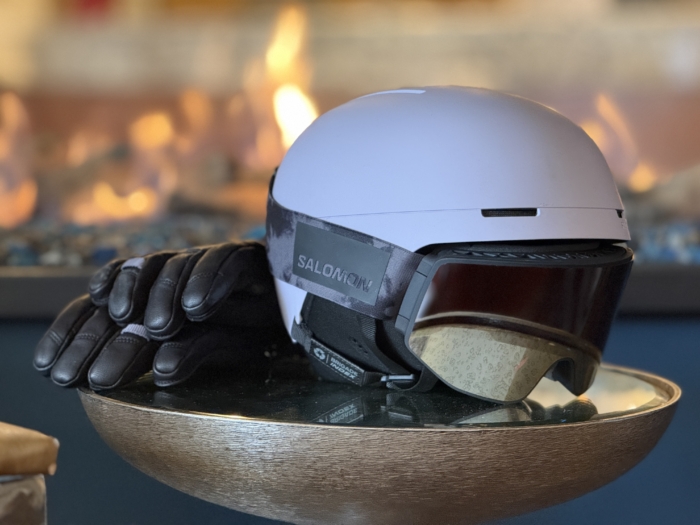
Packed with thoughtful details, cool style, and a bonus lens, the Salomon Sentry Prime Sigma ($205) delivers high-end functionality at a moderate cost.
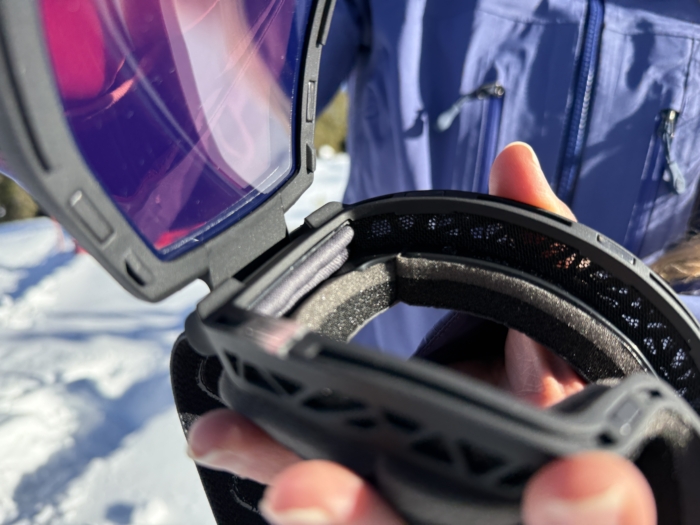
The Tech: Salomon’s SIGMA lens technology boosts color contrast on the snow, making it easier to read terrain changes and spot icy patches. The magnetic lens system relies on seven strong magnets, backed by dual low-profile side locks that nest into the outriggers to eliminate accidental lens pop-offs. Airflows stay consistent thanks to dedicated ports along the top and bottom of the frame, effectively keeping fog from building up.
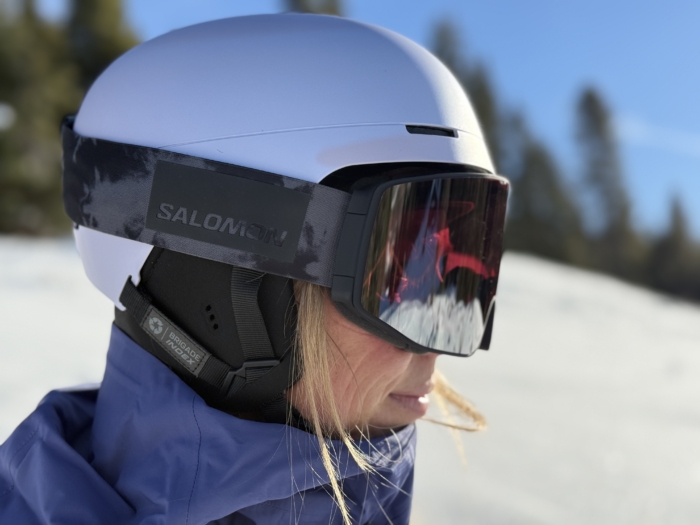
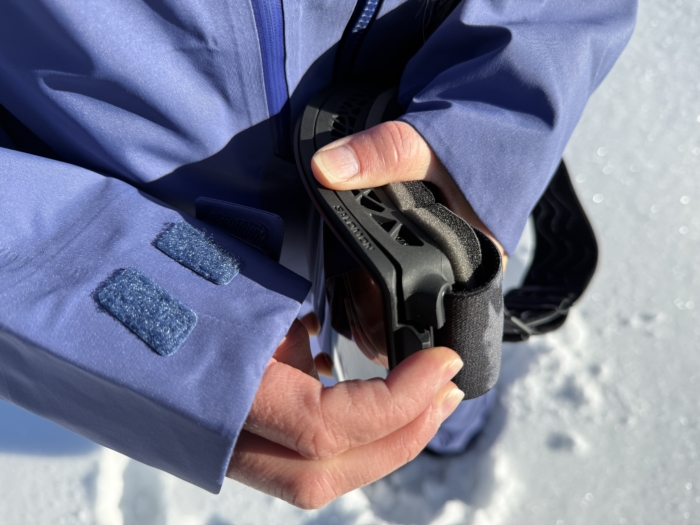
What We Like: Senior Editor Morgan Tilton tested the Sentry Prime Sigma at Crested Butte Mountain Resort, noting an expansive field of view that stretches far into the peripheries without swallowing her cheekbones. The triple-layer face foam is segmented into four distinct zones — across the forehead, temples, and nose bridge — to mirror facial contours comfortably. The package includes two lenses (SIGMA Gun Metal with a 13% VLT for bright sun, and SIGMA Light Blue with a 52% VLT for shadows and storm days) along with an extraordinarily protective rigid case for travel. An extra-wide strap equipped with three silicone strips keeps the assembly locked onto your helmet.
What We Don’t: The included hard case is exceptionally protective, but its bulk makes it impossible to stash in a jacket pocket while on the mountain. Skiers who prefer a smaller, lower-profile frame may find this large silhouette overwhelming. In that case, the Smith I/O Mag ChromaPop ($283) inside our guide offers a more compact fit and quicker magnetic swaps without the oversized footprint.
Should You Buy It? If you have a larger face profile or simply prefer an expansive view paired with an ultra-secure locking lens system, this model is well worth the investment, especially if a firm travel case is a priority. This goggle provides outstanding visual clarity and top-tier durability across all light conditions without breaking the bank.
Dragon NFX Mag OTG Goggles
Specifications
Pros & Cons
Pros
- Contrast enhancement
- Quick lens change
- Good venting
- Over the glasses compatibility
Cons
- Bonus lens is very basic
- Expensive
- Stiff frame may not fit every face
- Color distortion up and down
Bottom Line: A bold, over-the-glasses cylindrical option that combines plush face foam with an ultra-secure dual-locking lens mechanism. The NFX Mag OTG is an ideal choice for glasses wearers who want crisp terrain contrast and rugged, snow-clearing frame vents.
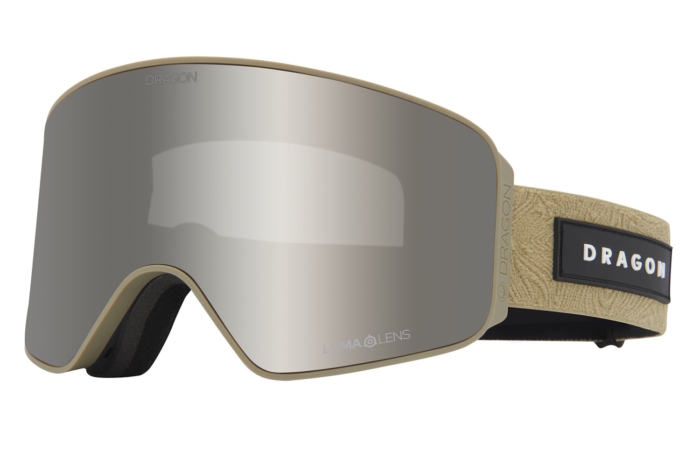
Enamored by the aesthetic, exceptional skier and veteran on-snow tester Bergen Tjossem really enjoyed the performance of the Dragon NFX Mag OTG ($300). Nearly frameless with a clean look, its medium silhouette fits a wide range of face shapes comfortably both with and without a helmet.
The Tech: Dragon’s Lumalens contrast enhancement technology sharpens detail across variable snow conditions, aiding quick recognition of icy patches or soft drifts. The Swiftlock system combines perimeter magnets with a physical spring-loaded release lever, locking the cylindrical shield firmly into the frame. Up top, an armored venting structure uses perforated foam covers so you can knock away packed ice and snow without tearing the delicate face padding underneath.
What We Like: Tjossem highlighted the plush, hypoallergenic microfleece triple-layer foam that feels exceptionally cozy against the skin during long cold-weather sessions. The primary Lumalens Gold Ion lens (13% VLT) delivers vibrant clarity in bright light, while the included Lumalens Amber (54% VLT) handles overcast conditions. True to its OTG designation, the frame cutouts accommodate prescription eyewear smoothly without pinching, and the anti-fog coating keeps vision clear during high-output backcountry laps.
What We Don’t: The magnetic-plus-lever swapping mechanism requires a brief learning curve, and the cylindrical shape exhibits slight color distortion along the top and bottom edges. While the Swiftlock lever guarantees security, the lens change is less effortless than the pure magnetic Gravit8 system on the 100% Norg ($250). At $300, we also wished the low-light secondary lens included a mirrored finish for better versatility when the sun unexpectedly breaks through.
Should You Buy It? Spectacle wearers and riders looking for a bold, retro-modern look with reliable fog resistance will find a great match here. If you value a super-secure locking lens design and prescription glass compatibility over cheap price tags, this model earns its keep on the hill.
More Field-Tested & Approved Ski Goggles: Other Spectacles Protecting Our Corneas
While our awarded ski goggles fill the fleece-lined pockets in our ski packs, we have a special collection of extras. These goggles might come up short a trait or two, but they remain functional, comfortable, affordable, and in our rigs’ center consoles.
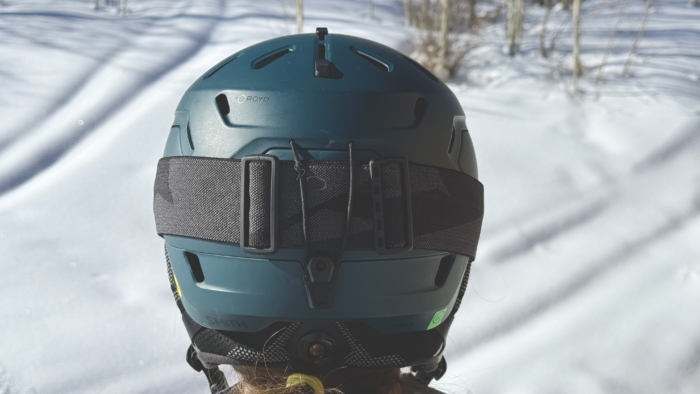
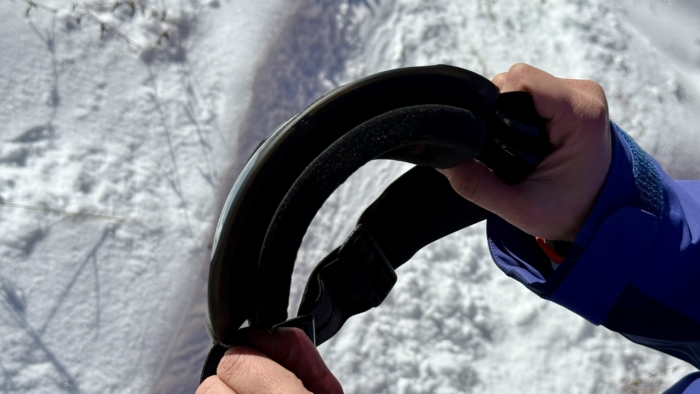
Specifications
Pros & Cons
Pros
- High-contrast, clear vision in all conditions
- No fog, no matter how hard you ski
- Comfortable fit for small- to medium-sized faces
- Sleek (but not trendy) aesthetic
Cons
- Only comes with one lens
Bottom Line: A precision-engineered option that shines in high-contrast optical clarity and flawless anti-fog performance. The Clockwork is a standout choice for dedicated skiers who prioritize supreme vision over extra included accessories.
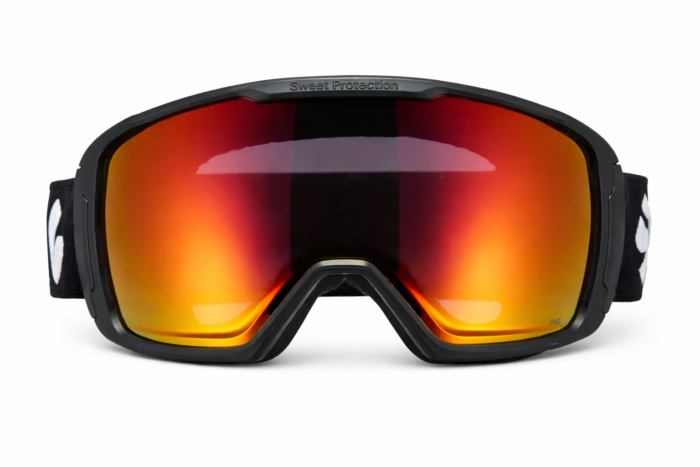
The Sweet Protection Clockwork RIG Reflect Goggles ($215) remind you just how much better skiing feels when you can clearly see the terrain. Built for charging hard from fast groomer laps to glare-heavy days, this pair instills total confidence when light conditions get tricky.
The Tech: Sweet Protection’s proprietary RIG (Retina Illumination Grading) lens technology enhances contrast with minimal color distortion, reducing eye fatigue during long sessions on snow. The 2.8mm premium toric lens is sculpturally shaped to maximize field of view while maintaining extreme impact resistance. A hydrophobic coating repels water and snow buildup, while top and bottom anti-fog vents maintain constant airflow across the dual-layer lens structure.
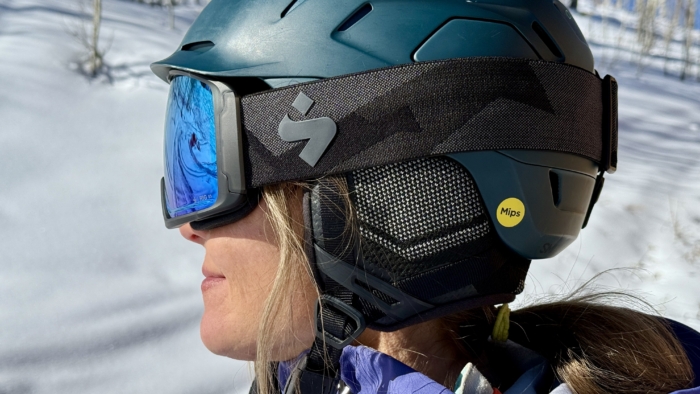
What We Like: GearJunkie contributor Heather Balogh Rochfort evaluated the Clockwork over roughly a month of skiing across Aspen’s four ski areas, logging 5–6 days in mostly sunny conditions plus a post-storm powder day. Even while breathing heavily at high elevation during her powder day, she never saw a hint of internal fog. The medium frame sealed cleanly around her relatively low nose bridge without unwanted air leaks, integrating seamlessly with helmets from Sweet Protection and Smith without leaving a forehead gap. Compared to budget options like the Goodr Snow G Goggles ($75), the leap in optical sharpness and glare control is night and day.
What We Don’t: At $215, the package includes only a single lens and a soft microfiber pouch rather than a secondary low-light lens or a protective travel hard case. While swapping lenses is possible, buying additional RIG lenses separately adds extra cost for storm-day coverage.
Should You Buy It? Experienced mountain athletes who value crystal-clear terrain definition and uncompromised fog prevention will find plenty to love here. Provided you have a small-to-medium face shape, the Clockwork delivers professional-grade optics that make navigating variable snow feel effortless.
-
-
Morgan Tilton testing the Giro Axis ski goggles; (photo/Jason Hummel)
-
Morgan Tilton testing the Giro Axis ski goggles; (photo/Jason Hummel)
-
Morgan Tilton testing the Giro Axis ski goggles; (photo/Jason Hummel)
-
Morgan Tilton testing the Giro Axis ski goggles; (photo/Jason Hummel)
-
Morgan Tilton testing the Giro Axis ski goggles; (photo/Jason Hummel)
-
Morgan Tilton testing the Giro Axis ski goggles; (photo/Jason Hummel)
-
Giro Axis ski goggle testing; (photo/Morgan Tilton)
-
Giro Axis ski goggle testing; (photo/Morgan Tilton)
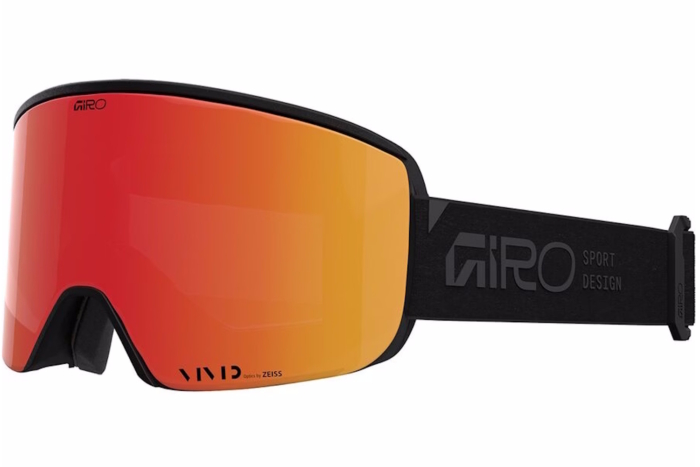
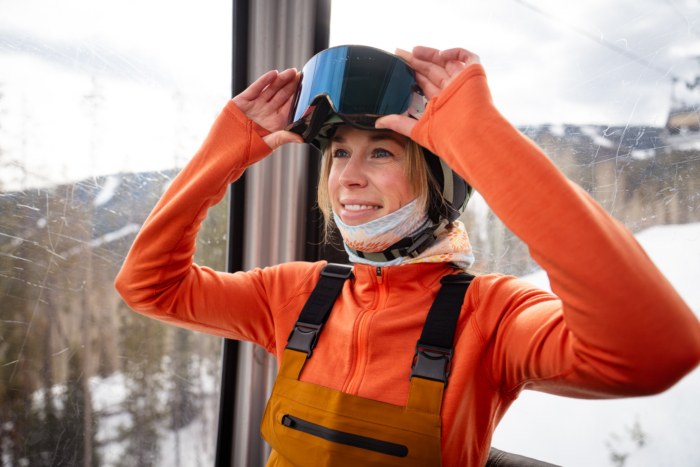
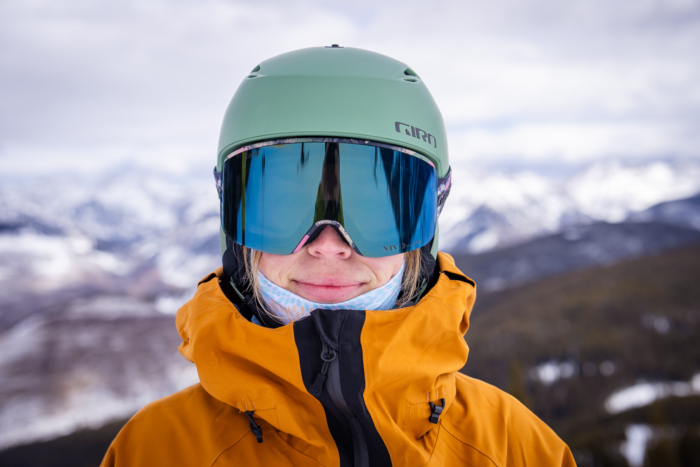
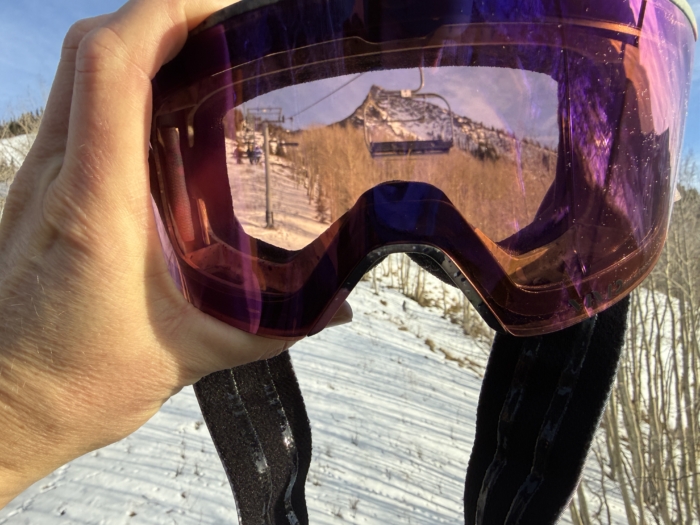
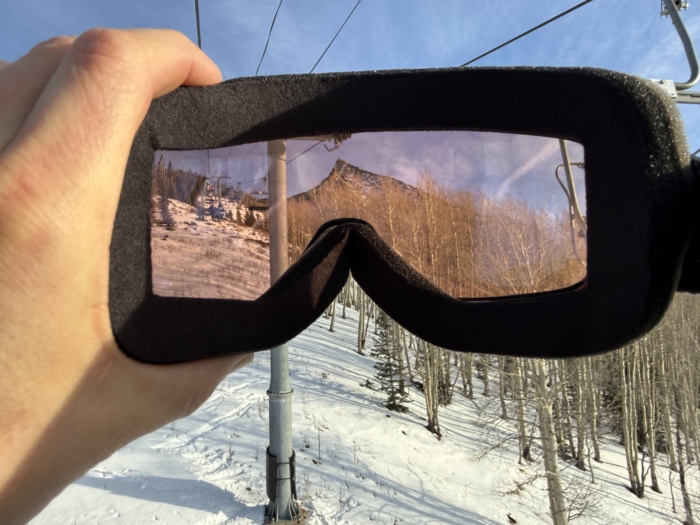
Specifications
Pros & Cons
Pros
- Exceptional fog prevention
- Secure pin-and-magnet system
- Sharp VIVID optical contrast
- Seamless helmet integration
Cons
- Lens periphery prone to smudging
- Frame profile feels slightly compact
Bottom Line: A refined, low-profile contender that combines mechanical pin security with quick magnetic lens alignment and total fog prevention. The Axis is a solid choice for resort and backcountry skiers who want high-contrast ZEISS optics in a versatile medium frame.
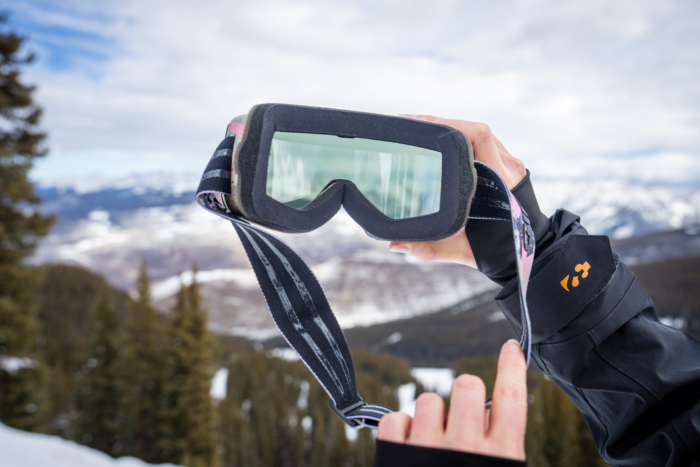
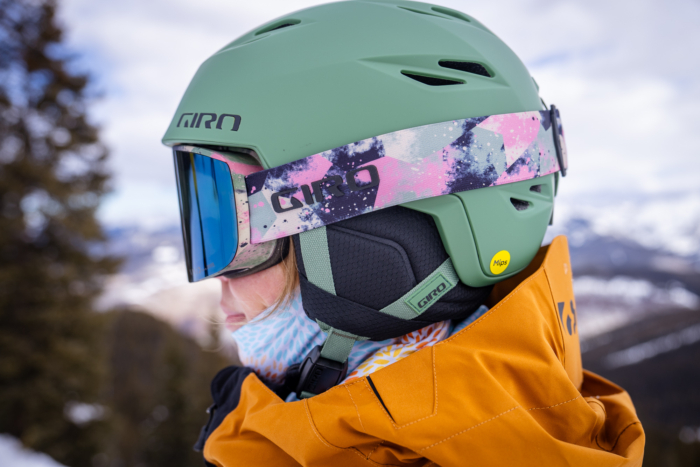
The Giro Axis ($225) is a masterclass among refined classics. Rather than relying on an oversized silhouette to make a statement, it utilizes an elegant, low-profile frame that sits comfortably across a wide variety of face shapes and helmet models.
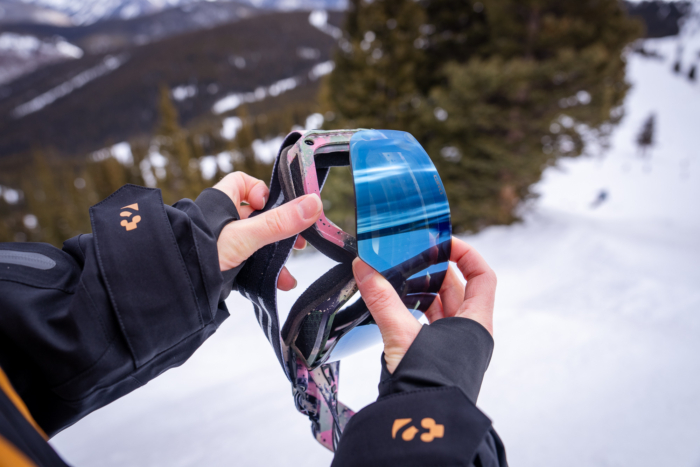
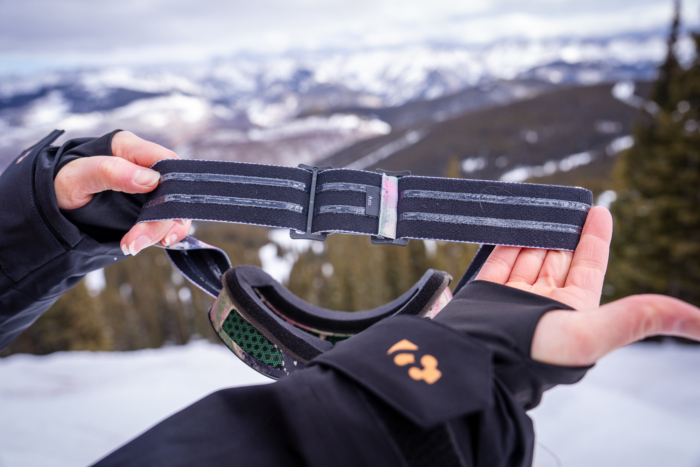
The Tech: Co-developed with optical specialist ZEISS, Giro’s VIVID lens technology manipulates blue light to boost contrast and terrain definition on gray, overcast days. EVAK Vent Technology utilizes a non-absorbent foam across upper port channels to control internal moisture, working in tandem with a premium inner anti-fog coating. To swap glass, the Quick-Change system uses two self-locating magnets to guide the lens into place, which then locks down via four snap-action pins along the perimeter.
What We Like: Senior Editor Morgan Tilton evaluated the Axis on blustery bluebird days at Crested Butte Mountain Resort, as well as during deep powder sessions at Vail and Whistler Blackcomb. In a head-to-head powder day test at Whistler, the Axis never fogged once for Tilton. The hybrid pin-and-magnet setup offers superior security compared to pure magnetic frames, ensuring the lens never pops loose during hard tumbles.
What We Don’t: Swapping glass inevitably leaves finger smudges along the periphery of the lens, requiring you to keep a microfiber cloth handy. For a more hands-free magnetic swap mechanism that minimizes contact with the glass, options like the Salomon Sentry Prime Sigma ($205) inside our guide offer a smoother experience.
Should You Buy It? Skiers seeking exceptional fog prevention, reliable lens retention, and sharp low-light contrast will find immense value in this package. If you prefer a sleek, medium-fitting goggle that handles high-octane powder days without fuss, the Axis is a dependable workhorse.
-
-
Morgan Tilton testing the Flaxta Prime; (photo/Dane Tudor)
-
Morgan Tilton testing the Flaxta Prime; (photo/Dane Tudor)
-
Morgan Tilton testing the Flaxta Prime; (photo/Dane Tudor)
-
Morgan Tilton testing the Flaxta Prime; (photo/Dane Tudor)
-
Morgan Tilton testing the Flaxta Prime; (photo/Dane Tudor)
-
Morgan Tilton testing the Flaxta Prime; (photo/Dane Tudor)
-
Morgan Tilton testing the Flaxta Prime; (photo/Dane Tudor)
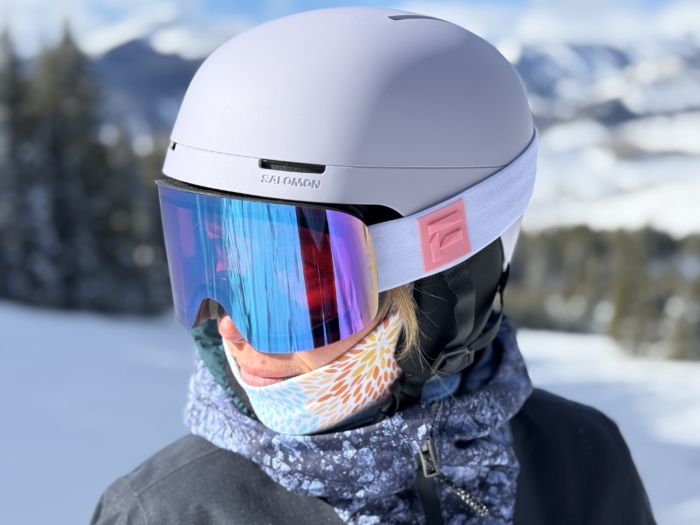
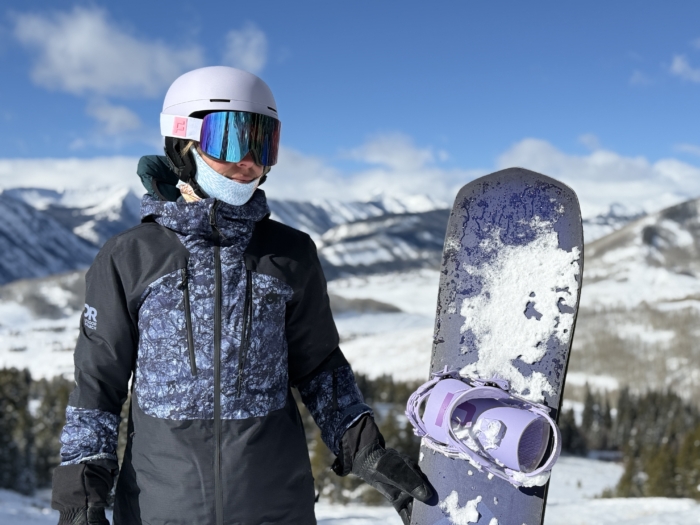
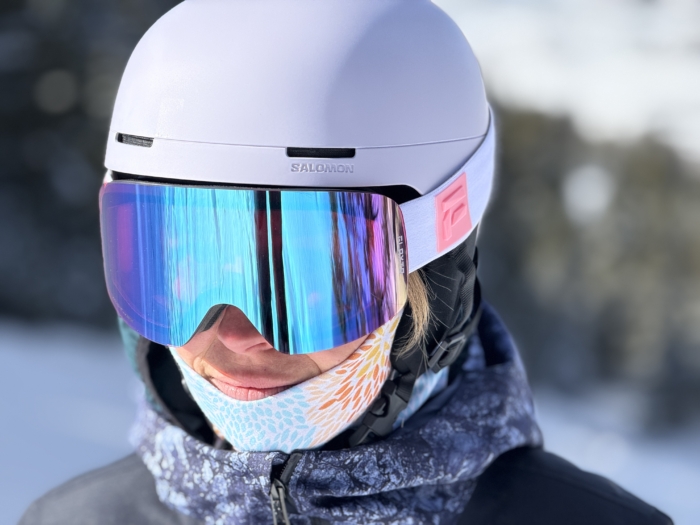
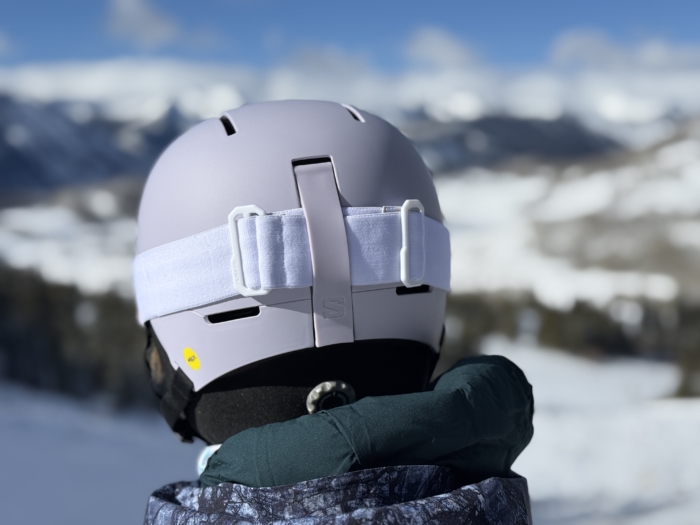
Specifications
Pros & Cons
Pros
- Clean frameless aesthetic
- Sharp contrast in shadow
- Articulated face foam comfort
- Excellent value under $150
Cons
- Stiff, old-school lens swaps
- No secondary lens included
Bottom Line: A sleek, frameless option that provides crisp optics and dependable helmet integration at an approachable price point. The Prime is a smart match for skiers seeking clean Scandinavian design and comfort without paying premium quick-change prices.
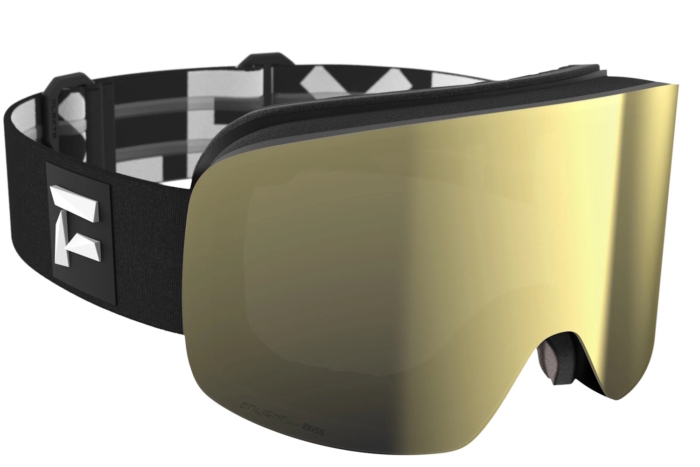
Sleek, frameless style meets solid performance in the Flaxta Prime ($140). Founded in 2018 in Stockholm, Sweden, Flaxta specializes in sports safety gear, delivering a clean design at a budget-friendly cost.
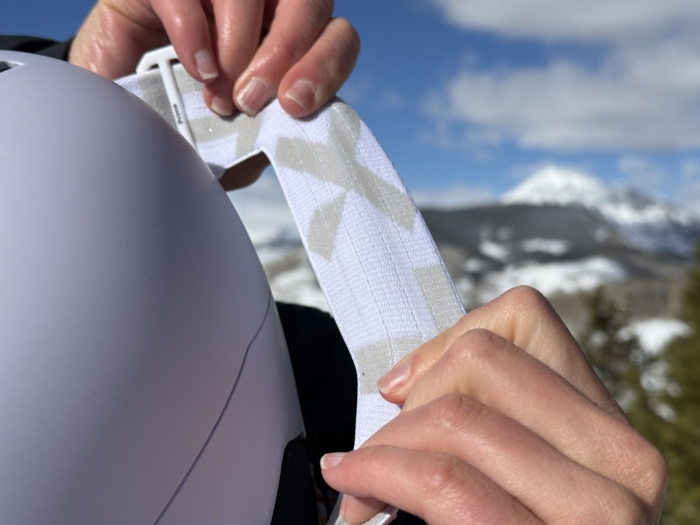
The Tech: The cylindrical double lens has anti-scratch and anti-fog coatings to maintain clarity across changing mountain weather. A wide, silicone-backed strap provides a firm grip around helmets, while a triple-layer face foam utilizes articulated, rippled texturing along the skin-contact layer to naturally conform to facial contours.
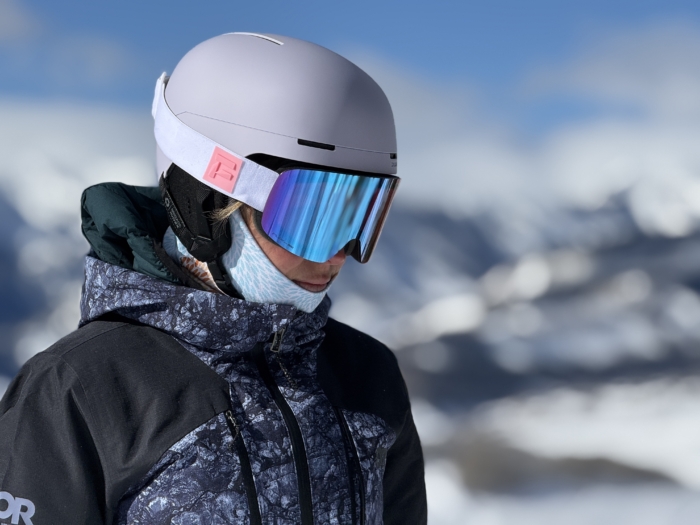
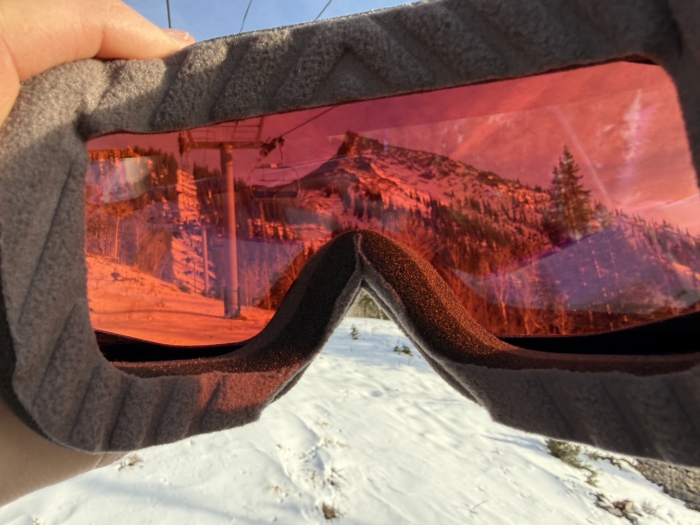
What We Like: Senior Editor Morgan Tilton tested the Prime across variable weather and light conditions at Crested Butte Mountain Resort. During late afternoon laps when steep runs were swallowed in shadows, the Category 2 Blue Mirror lens delivered surprisingly good surface contrast. Tilton found the moderate frame size remarkably comfortable, creating a seamless seal with helmets from Giro and POC with zero cold spots or skin exposure. Compared to higher-priced models in our guide like the Smith I/O Mag ChromaPop ($283), the Prime offers impressive visual acuity for half the cost.
What We Don’t: The traditional notch-and-channel lens replacement mechanism is frustratingly stiff. Peeling the glass free feels as though it were glued to the frame, making on-the-lift swaps nearly impossible without leaving heavy smudges across the perimeter. Additionally, the field of view is somewhat narrower than expansive options like the Salomon Sentry Prime Sigma ($205), and the package omits a secondary lens or rigid travel case.
Should You Buy It? For budget-conscious resort skiers who want modern frameless looks and reliable, fog-free performance without dropping over $200, this pair delivers excellent utility. Provided you do not mind sticking with a single lens for most conditions, the Prime punches above its price tag.
-
-
Morgan Tilton testing Smith Preview ChromaPop Snow Goggles; photo/Dane Tudor
-
Morgan Tilton testing Smith Preview ChromaPop Snow Goggles; photo/Dane Tudor
-
Morgan Tilton testing Smith Preview ChromaPop Snow Goggles; photo/Dane Tudor
Specifications
Pros & Cons
Pros
- Expanded downward field of view
- Ultra-plush, flexible frame comfort
- Lower price for 4D-lens tech
- Vibrant ChromaPop color contrast
Cons
- Slight distortion
- Edge fogging possible on humid powder days
- Single lens included
- No hard case
Bottom Line: A forward-thinking, non-magnetic option that brings extended downward sightlines to budget-conscious resort skiers. The Preview is a solid match for riders who want wide peripheral vision and a flexible frame fit without paying top-tier magnetic prices.
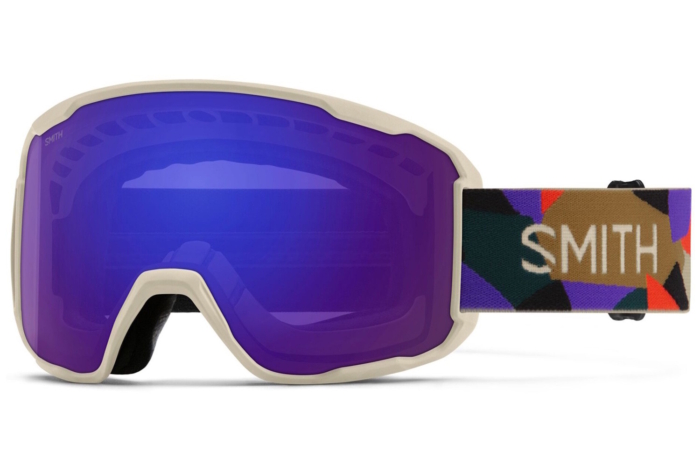
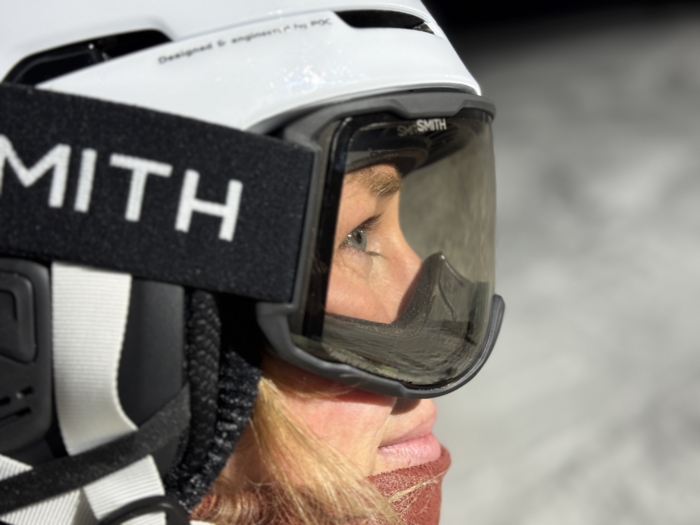
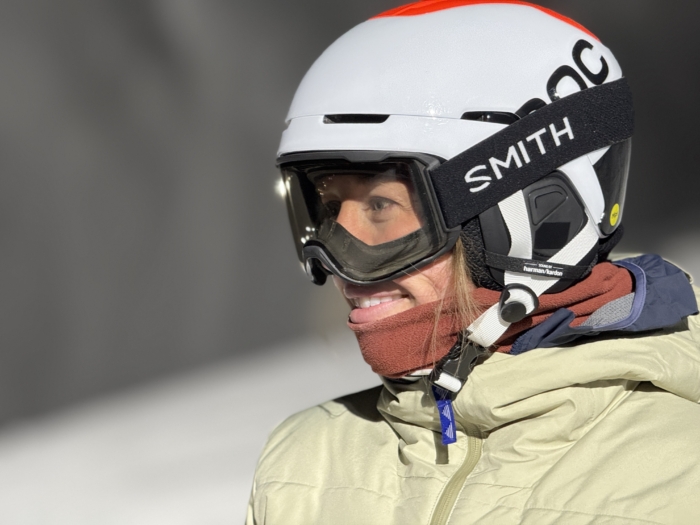
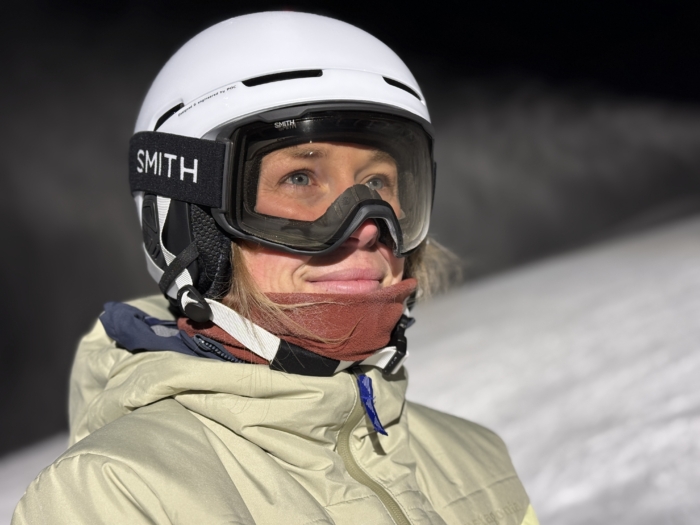
Few goggle brands can claim more than six decades of optical design like Smith, and the brand continues to push the needle for winter eyewear. The Smith Preview ($208) debuts the brand’s unique BirdsEye Vision technology in a fixed-frame design, bringing downward lens curvature — previously reserved strictly for the flagship 4D MAG line — to a wider audience.
The Tech: Unlike traditional spherical or cylindrical lenses that terminate along a flat bottom edge, BirdsEye Vision curves downward and inward along the base of the chassis. This geometry removes the physical barrier of the lower frame to expand the downward line of sight. Built for riders who prefer a set-it-and-forget-it setup over fast magnetic changes, the frame utilizes a traditional channel pop-out system alongside responsive, three-layer DriWix face foam and a silicone-backed strap for helmet security.
What We Like: Senior Editor Morgan Tilton evaluated the Preview across diverse terrain, testing the ChromaPop Storm Amber lens (67% VLT) during crisp night skiing laps under the bright lights at RED Mountain Resort, as well as during low-visibility blizzard riding at Whistler Blackcomb. The flexible frame contours naturally to the face without causing pressure points. Compared to quick-change options in our guide like the 100% Norg ($250), the Preview offers a simpler, mechanical construction for skiers who rarely swap glass on the hill.
What We Don’t: The curved lower pane introduces subtle visual distortion through its bottom bend. Furthermore, while the goggles stayed completely clear during night skiing, they steamed up along the edges during an hour of intense powder laps at Whistler Blackcomb in blustery conditions — falling short of the fog-free performance seen on the Sweet Protection Clockwork RIG Reflect ($215). At $208, the inclusion of only a single lens and a soft microfiber pouch feels slightly sparse.
Should You Buy It? Resort skiers who want an expanded downward field of view and plush face comfort without shelling out for expensive magnetic mechanisms will appreciate this design. If you primarily ride in predictable lighting and value wide peripheral sightlines, the Preview provides innovative frame engineering at an approachable price.
-
-
(Photo/Bergen Tjossem)
-
Anon M5 goggles; (Photo/Bergen Tjossem)
-
Magnetic lense change on Anon M5 goggles; (Photo/Bergen Tjossem)
Specifications
Pros & Cons
Pros
- Remarkably easy lens swap
- Magnetic face mask included
- Sharp optics for any lighting conditions
- Comfortable fit, offered in smaller frame size (M5S)
Cons
- Expensive
Read Review: Lightning-Fast Lens Swap: Anon M5 Ski Goggles Review
Bottom Line: A high-end, storm-ready performer featuring effortless magnetic lens changes and a seamless integrated face mask. The M5 is a prime choice for riders seeking massive coverage and razor-sharp contrast across extreme mountain weather.
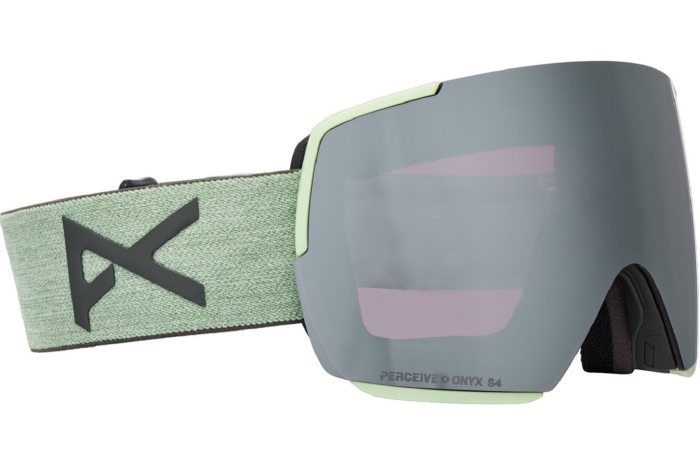
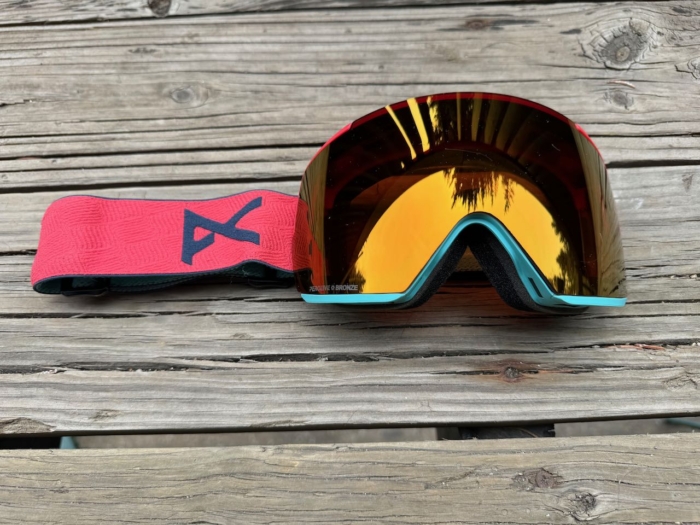
We keep coming back to the Anon M5 ($400) on the nastiest storm days because of its crisp low-light optics, remarkably easy lens swap, and detachable face mask. While it comes with a top-shelf price tag, the package includes two lenses that cover the full spectrum of light conditions you will encounter on the hill.
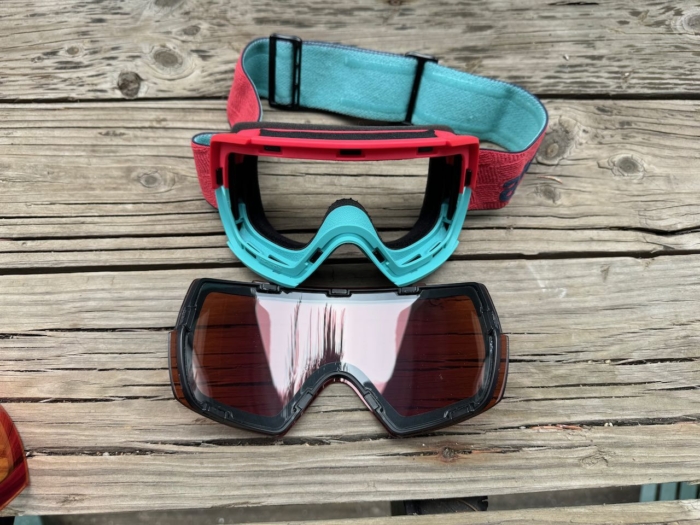
The Tech: Anon’s Magna-Tech interchange system relies on nine strong magnets around the perimeter, allowing you to pop the lens free with a finger and hover a replacement until it snaps into perfect alignment every time. The flat toric lens geometry blends the wide field of view of a cylindrical design with the optical clarity of a spherical curve. Exterior hydrophobic and oleophobic coatings protect against smudges, scratches, and moisture, while contrast-boosting Perceive lens technology enhances terrain depth perception without making the snowy landscape look artificial.
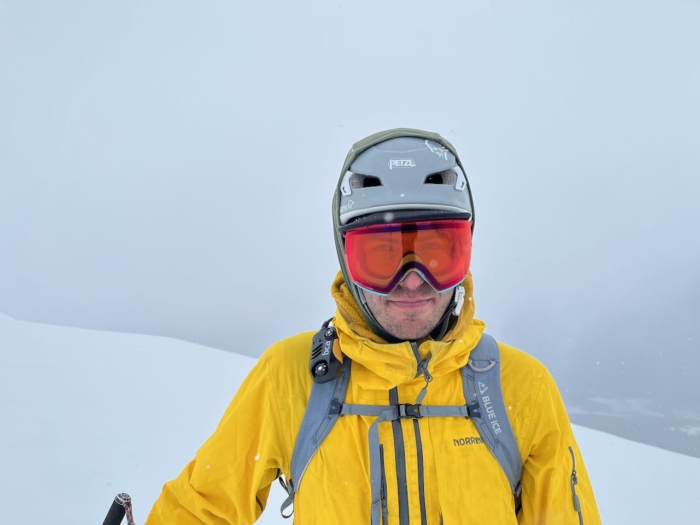
What We Like: Ski goggle analyst Bergen Tjossem praised how much contrast and vibrancy the Perceive optics added in flat light, making subtle surface textures easy to read on overcast days. High-quality triple-layer foam provides all-day comfort across the face. And the standout feature is the magnetic face mask integration (MFI), which snaps directly to the lower frame to form a gap-free seal. Unlike tucking a traditional neck gaiter under the frame, this design routes exhaled breath downward away from the glass, ensuring the goggle stays completely fog-free during cold, stormy resort and backcountry laps. Our team had mixed results: Tjossem’s field tests were perfect, while Senior Editor Morgan Tilton’s use ended in a fog-up. Our conclusion: Aim to put the face mask on over a dry face before the storm accelerates.
What We Don’t: The frame footprint is massive and can easily overwhelm smaller faces. Skiers with petite or medium face shapes will want to opt for the scaled-down M5S variant for a better fit. Additionally, at $400, this pair represents a significant financial investment, though the inclusion of a secondary Perceive Cloudy Burst lens (59% VLT), a hard case, and the MFI face mask helps justify the cost.
Should You Buy It? Winter athletes willing to spend extra will relish this goggle’s premium storm protection, top-tier optical sharpness, and unmatched magnetic convenience. If you frequently ride in harsh weather and dislike fumbling with frozen lens latches or foggy neck gaiters, the M5 delivers a unique, unbeatable setup.
-
-
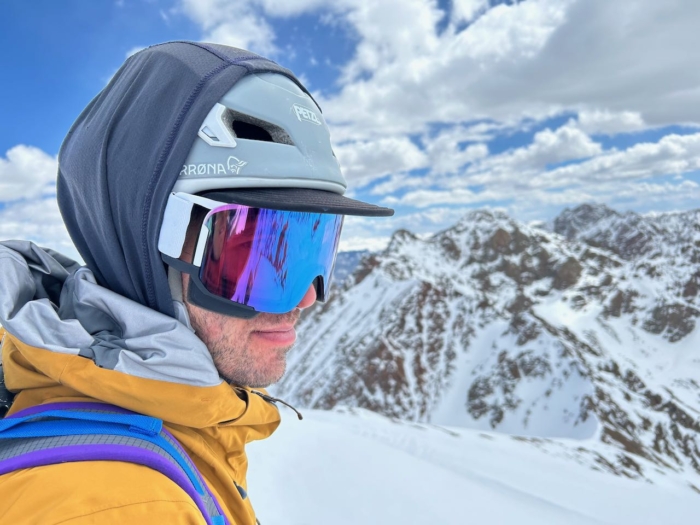
We tested the Nexal goggles in a wide range of skiing conditions; (photo/Bergen Tjossem)
-
(Photo/Bergen Tjossem)
-
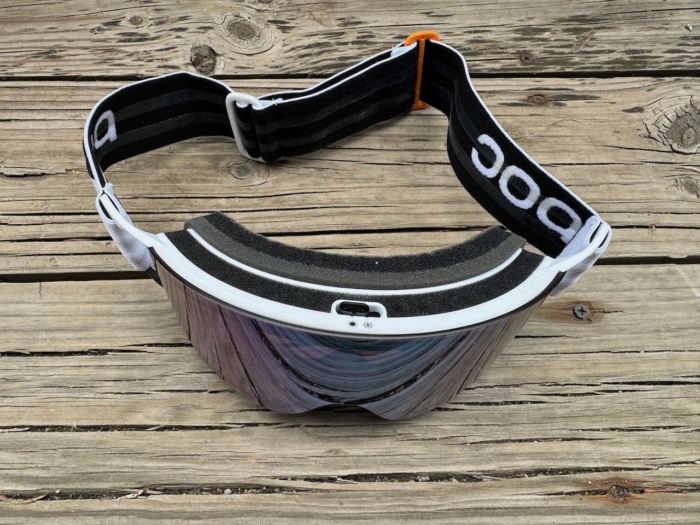
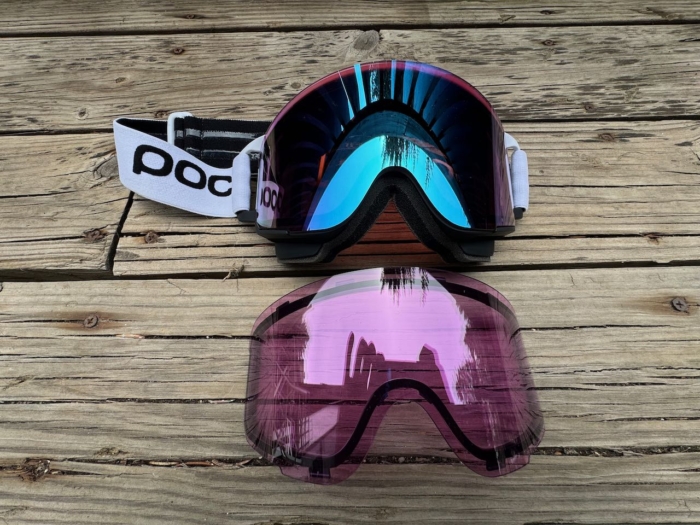
Nexal goggles with two high-performance lenses; (photo/Bergen Tjossem)
Specifications
Pros & Cons
Pros
- Clear, precise optics
- Great fit with a variety of helmets
- Easy lens change
Cons
- Helmet required for best fit
- Lens pairing leaves some gaps
Read Review: Cheekbone Protection, Crisp Optics: POC Nexal Clarity Ski Goggles Review
Bottom Line: A race-inspired, speed-focused goggle that pairs Zeiss-engineered clarity with extended facial coverage. The Nexal is a great option for skiers who want pressure-free helmet integration and extra protection against biting winds.
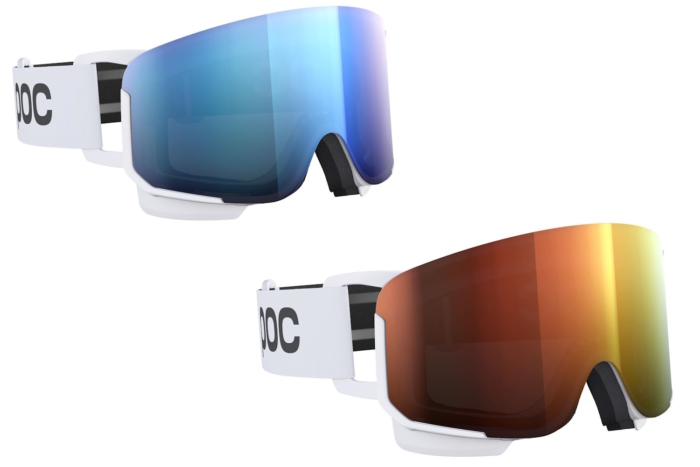
Easily the most distinctive-looking goggles on our list, the POC Nexal ($270) are designed for speed, and they have the feature set to match.
The Tech: Co-developed with optical specialist Zeiss, the cylindrical Clarity Highly Intense Cat 2 lenses are tuned to pull out minute textural nuances on the snow surface during high-speed carving. Structural outriggers push the strap outward to clear helmet ear pads without awkward overlap, distributing tension evenly across the face. Additionally, adjustable frame ventilation allows riders to fine-tune airflow for high-speed runs or stormy weather.
What We Like: Skier Bergen Tjossem appreciated the unique zygomatic bone covers — extended lower frame cushions that shield the cheekbones from biting wind and help keep frostnip at bay on frigid days. During testing on dark, stormy sessions, the included Clarity Intense Cloudy Coral Cat 1 lens (49% VLT) made reading subtle surface changes effortless. The primary Partly Sunny Blue Cat 2 lens (22% VLT) handled variable light with crisp definition. Unlike traditional mechanical pop-out systems, once practiced, switching between the two included lenses takes under 30 seconds without leaving finger smudges across the glass. Compared to bulky quick-change options like the Anon M5 ($400), the Nexal offers a far more aerodynamic silhouette that locks onto race and freeride helmets.
What We Don’t: The included lens duo leaves a coverage gap on blindingly bright, high-alpine spring days. Riders in sunny regions like Colorado may need to spend an additional $60 for a dedicated Cat 3 lens to prevent eye strain when the sun hits full blast.
Should You Buy It? Speed-oriented skiers who battle harsh winds and demand razor-sharp terrain definition will find solace with this pair’s exceptional performance. The extended cheek protection and pressure-free frame fit make it a standout choice for cold-weather resort charging.
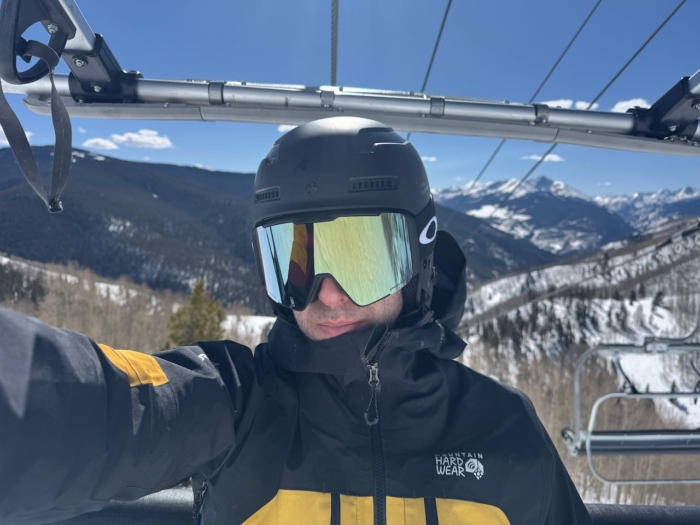
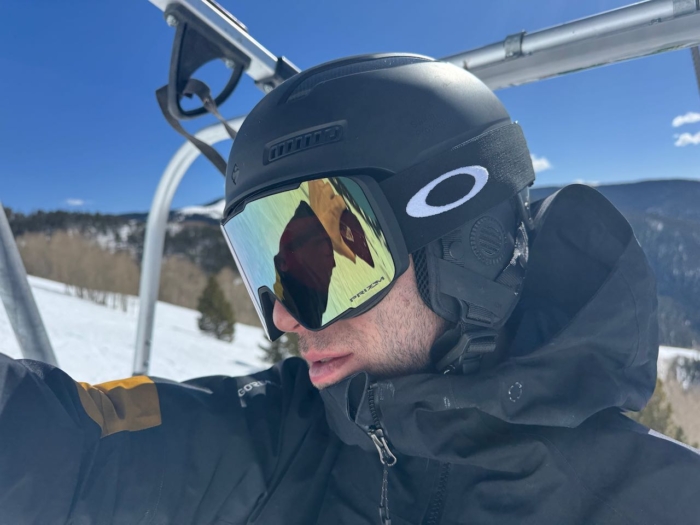
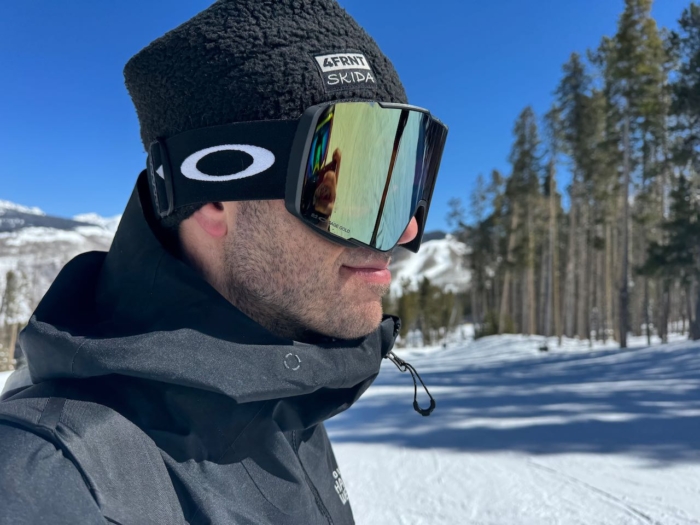
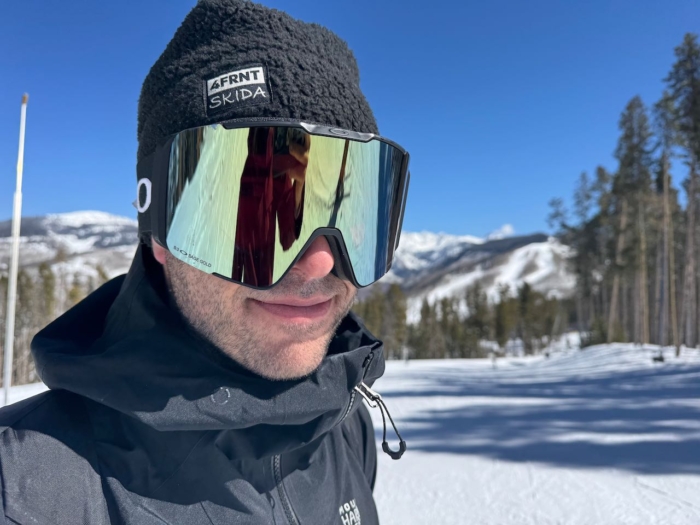
Specifications
Pros & Cons
Pros
- Exceptional optics
- Large field of view
- Solid lens swapping system
- Include two premium lenses
Cons
- Occasional fogging
- Expensive
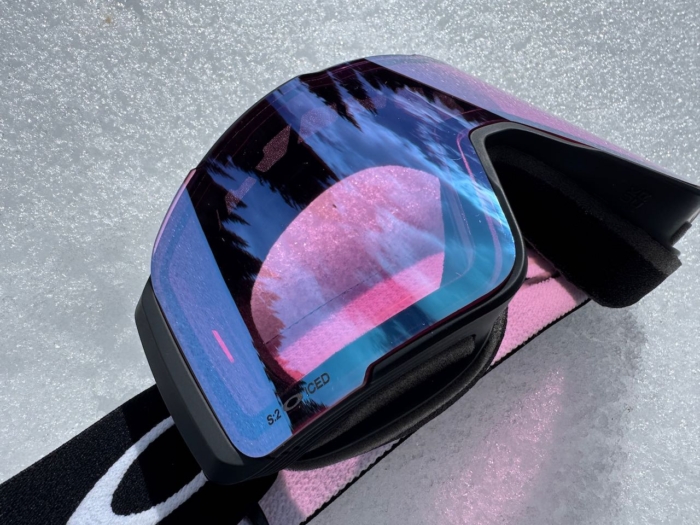
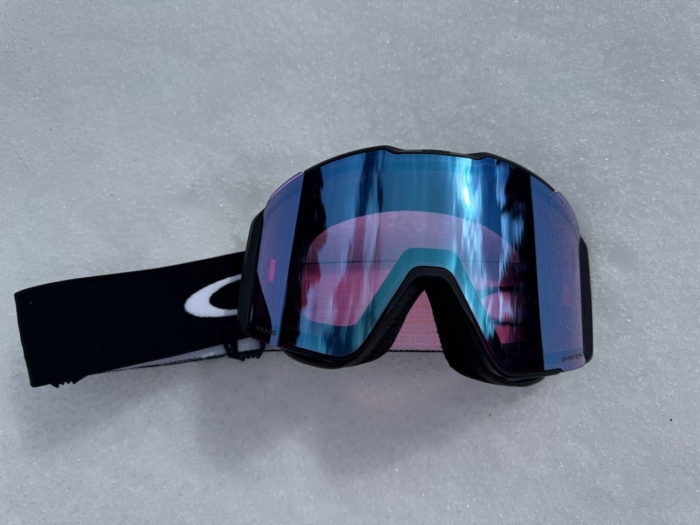
Bottom Line: A high-end, wide-view cylindrical goggle that pairs legendary Prizm optics with Oakley’s first magnetic quick-change mechanism. The Line Miner Pro is a stellar match for resort chargers who want a massive field of view and crisp terrain definition.
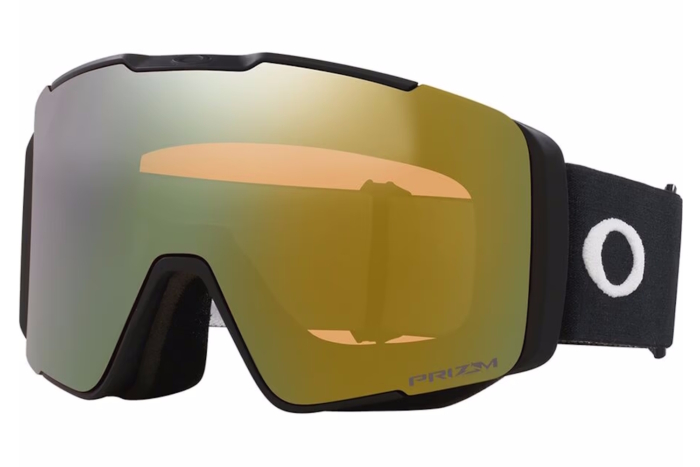
Oakley does not launch new goggles quickly, and when it does, the designs rarely fall short of iconic. Building on a legacy of exceptional optics that has enjoyed a cult-like following for decades, the Oakley Line Miner Pro ($299) debuted with the brand’s first-ever lens-changing system, prompting goggle nerds around the globe to take notice.
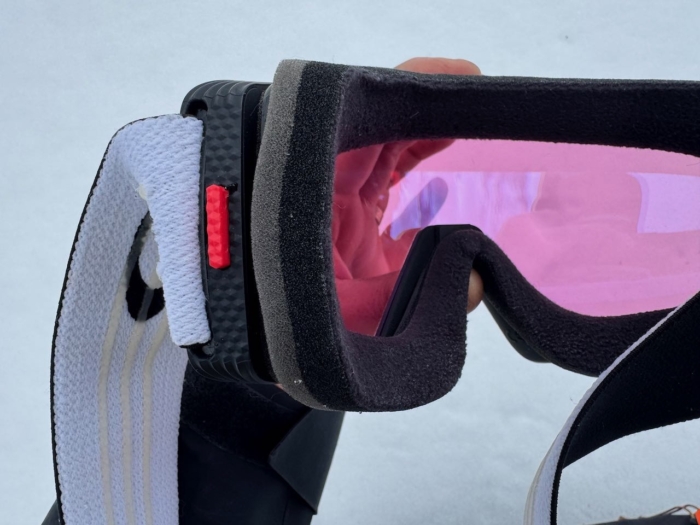
The Tech: Evolving from the tried-and-true Line Miner chassis, this model has a slimmed-down frame anchored by a unique single-lens construction. By eliminating the inner secondary pane typical of double-lens designs, Oakley expanded the field of vision by a claimed 20%. The swap mechanism uses a hybrid array of perimeter magnets and frame locking tabs, while proprietary Prizm optics enhance surface contrast to highlight subtle snow details in tricky light.
What We Like: Gear tester Bergen Tjossem found that the single-lens geometry provides a vast perspective both vertically and horizontally. The package includes two cylindrical Prizm lenses — we evaluated the Sage Gold and Iced Iridium pairing, which covered the majority of sunny to overcast resort and backcountry days seamlessly. The frame delivers a large, deeply comfortable fit against the face. While swapping optics requires a physical latch release, it feels far more secure than pure magnet setups, performing much like the dual-lock mechanism on the Smith I/O Mag ChromaPop ($283).
What We Don’t: Because it lacks the insulating air gap of a traditional double lens, the single pane fogged slightly more during sweat-inducing powder runs and aerobic bootpacks than other premium rigs, despite the inner anti-fog coating. Additionally, while the included lens pair handles most mountain weather, it leaves small coverage gaps at the extreme ends of the spectrum — specifically on blinding bluebird days and during deep night or heavy storm riding.
Should You Buy It? Skiers and snowboarders who demand top-tier visual clarity, expansive sightlines, and a secure quick-change setup will find plenty to love in this package. If you want maximum peripheral awareness and legendary contrast technology for fast-paced resort riding, this pair justifies its premium price tag.

Ski Goggles Comparison Chart
| Ski Goggles | Price | Lenses | Frame Size | Lens Shape |
| Smith I/O Mag ChromaPop | $283 | 2 | Medium | Spherical |
| Goodr Snow G Goggles | $75 | 2 | Medium | Spherical |
| Giro Revolt | $150 | 2 | Medium | Cylindrical |
| Smith Skyline | $193 | 1 | Small/Medium | Spherical |
| 100% Norg | $250 | 2 | Medium/Large | 3DPlane Molded Lens |
| Salomon Sentry Prime Sigma | $205 | 2 | Medium/Large | 3DPlane Molded Lens |
| Dragon NFX Mag OTG | $300 | 2 | Medium | Cylindrical |
| Sweet Protection Clockwork RIG Reflect Goggles | $215 | 1 | Medium | Toric |
| Giro Axis | $225 | 2 | Medium | Cylindrical |
| Flaxta Prime | $140 | 1 | Medium | Cylindrical |
| Smith Preview | $208 | 1 | Medium | Spherical with BirdsEye 4D curved lower edge |
| Anon M5 | $400 | 2 | Medium/Large | Toric |
| Oakley Line Miner Pro | $299 | 2 | Large | Cylindrical |
| POC Nexal | $270 | 2 | Medium/Large | Cylindrical |
How We Tested the Best Ski Goggles
Our on-snow lens crew has taken a magnifying glass to dozens of ski goggles since 2022, when this guide first debuted. Given the category’s high competition, this snow goggles encyclopedia has been updated 16 times.

Our Expert Testers
Three primary downhill experts dissect snow goggles in addition to four contributing testers:
- GearJunkie SnowSports Senior Editor Morgan Tilton has explored Colorado’s high-altitude Rockies for 3.5 decades, where she learned to ride and resides today.
- For the 2026 test window, Tilton tested five ski goggles across 63 days, 445,000 vertical feet of descent, 832 miles, and 149 hours of snow travel via snowmobile, downhill riding, and backcountry tours. Primary test days took place at Crested Butte Mountain Resort and RED Mountain Resort, as well as Whistler Blackcomb, Vail Ski Resort, and Whitewater Mountain Resort — all of which delivered whiteout blizzards.
- In 2025, Tilton tested ski goggles for 165 hours over 44 days in Colorado, Montana, Wyoming, and British Columbia.
- In 2024, Tilton tested ski goggles for 265 hours over 78 days of recreation, from the ski area to the backcountry and from blizzards to bluebird days. In 2023, she tested snow goggles for 114 hours over 35 days.

- Based in Carbondale, Colorado, Heather Balogh Rochfort has decades of experience in mountain snowsports, like backcountry skiing, downhill skiing, uphilling, and cross-country skiing. She typically tracks more than 50 days for the ski season, including boot packing Highlands Bowl.
- Gear tester and writer Bergen Tjossem primarily hammers goggles in Colorado’s backcountry, at his home ski mountain, and while mountaineering.
- Tjossem clocked nearly 150,000 feet of human-powered backcountry vert in the 2023-2024 test season, plus 25 days at ski resorts.
- Four other contributing gear testers for this guide include professional ski guide and avalanche course instructor Kaylee Walden, snowboarder Austin Beck-Doss, skier Mary Murphy, and Editorial Director Sean McCoy.

Our Testing Grounds
We’ve tested snow goggles on backcountry missions in Colorado’s Gore Range, dawn ascents of Mt. Rainier, and at ski resorts countrywide, including Alta Ski Area and Vail Ski Resort.
The GearJunkie team has met for two on-snow test weeks to grind out turns and swap notes at Crested Butte Mountain Resort, which is known for its expert terrain, as well as a meetup at Vail Ski Resort.

Our Testing Process
When we test snow goggles, we consider the overall fit, field of vision, comfort, shape, lens quality and clarity, light transmission, size, and adjustability of the lens and strap.
We examine the lens technology, including ventilation, scratch and impact resistance, hydrophobic and anti-fog treatments, light adaptivity (photochromic lenses), and polarized glare protection.
In addition to field tests, we consider the most sustainable, innovative, legacy, popular, and award-winning products on the shelf today. This collection of ski goggles includes a broad range of options to fit various budgets, winter athletes, and needs.

Our Ski Goggles Rating System
We score each ski goggle on a 1–10 scale for Lens Quality, Lens Swap System, Fit & Comfort, and Anti-Fogging.
- Lens Quality dives into the lens shape: spherical is top-notch with a horizontal and vertical curve, offering wider peripheral vision and minimal distortion. Toric blends spherical and cylindrical, which is a high-end option. We also take into account the contrast enhancement and whether the design is dual-pane for reducing fog buildup.
- Various Lens Swap Systems exist, but not all are easy to use. We consider how quick and easy the lens is to change on-the-go, as well as how secure the connection is. Goggles that include an extra lens get more points.
- As we examine the Fit & Comfort, we look at frame size, foam, helmet compatibility, as well as the strap and if it’s silicone-backed, for instance.
- For Anti-Fogging, we inspect the vents, vent placement, anti-fogging coatings, frame-helmet integration, and take note of the field performance while taking powder laps, hiking, and ski touring.
The Overall Rating is based on contextual, editorial judgment, and the complex user experience across various scenarios and conditions.

Buyer’s Guide: How to Choose Ski Goggles
The lens is the most critical part of your goggles. It protects your eyes from the harsh sun, stinging wind, and flying objects.
One of our editors once planted a pole into a tree and then skied into the other end of its pole right between the eyes. Their Julbo Aerospace Snow Goggles protected their heads and eyes. It hurt and nearly knocked them out, but it would have been much worse without them.
And while the lens is the core ingredient, it isn’t everything. Frame sizes are highly variable, from tiny to XXL. If you go too small, you slash your peripheral vision. Go too big and wind will creep in underneath the goggles. Helmet compatibility is essential, as is the strap’s width, style, and closure design. It’s also key to consider the lens swap mechanism and style.

Parts of Ski Goggles
Ski goggles are basic yet complex. You’ll find a multilayer lens, frame, strap, and foam all sandwiched together for these empowering spectacles.
Lens
The lens protects your eyes, and brands make it of shatter-resistant, transparent polycarbonate. The exterior and interior can be coated with scratch-resistant, anti-fog, hydrophilic, oleophobic, or smudge-resistant treatments. Nearly all snow goggle lenses are double-layered with a seal, so the internal gap maintains a temperature that prevents fogging, like double-pane windows.
The lens also enhances your vision. Each one filters certain colors and lets a specific amount of sunlight through, depending on the day’s lighting conditions and the terrain’s contrast. That’s why paying attention to a lens’s visible light transmission (VLT) is essential, and bundles that include two lenses can be handy, covering most of the lighting conditions you’ll encounter.

It’s also key to consider how easily swappable the lens is. Changing out a traditional lens might be reasonable if you tend to stop at a base lodge. But if you’re skiing in the back bowls on a stormy day, you can quickly swap magnetic lenses, like those on the 100% Norg Goggle.
Frame
The frame around the lens is made of durable, pliable plastic. Silhouettes come in a wide variety of shapes and sizes, including small, women’s-specific (which are scaled-down and smaller), and lower-bridge styles, which fit faces with lower nose bridges or a wide or high cheekbone shape. Some brands also refer to low-bridge fits as Alternative or “Alt” fit, Asian fit, or Universal fit.
Frames come in a variety of sizes. Some, like the Anon M5 Goggles, have a massive faceprint that is better suited to larger faces. Plenty of goggles sport a more standard fit that will fit many folks.


Strap
A wide elastic band holds the goggles around your helmet or head. Some designs have silicone strips or dots on the interior that help the strap stay put.
The band is typically fixed to either side of the goggle, though some designs are detachable, and most straps can be removed and exchanged. The band can be extended or tightened to your preferred circumference with two plastic slider buckles — this is a quick, easy process.
Specific strap designs are continuous and completely enclosed, like the Smith I/O Mag ChromaPop. In contrast, others have a removable plastic clip halfway through the circumference to allow quicker removal of the goggles. Some hook-style clips are not the most secure and can naturally unlatch when we pull the goggle off the helmet.


Padding
Inside the frame is a layer of foam padding that provides comfort, seals out wind, and allows airflow to help prevent fogging. The foam even absorbs sweat or moisture from snowfall — or a tomahawk. At the same time, most padding has a fairly similar feel against the skin; the densities, porousness, and textures of foams differ, influencing fit, long-term comfort, and durability.

Ski Goggle Fit
Fit should be a top consideration for ski goggles. If you wear a ski helmet, definitely try on the goggles with your helmet on. You don’t want a significant gap between the helmet and goggles, or you’ll get cold air blasting your forehead. The helmet should fit closely with the goggles across the face with no gaps. You’ll want the goggles to sit centered. The POC Nexal fit admirably on every helmet we strapped them to.
Also, ensure the goggles fit your face well and aren’t too big or small for comfort. Try on a few models to make sure you’re happy with the fit, both to your face and your helmet.
Finally, ensure the strap is long enough to fit around your helmet and face without too much pressure.

Lens & Light Transmission
What does “VLT” mean? Goggles use the measure “visible light transmission” to identify and categorize lenses. VLT is the percentage of visible light that lenses allow to pass through based on the lens color or tint, thickness, coatings, and construction material. The higher the number, the more light gets through the lens.
The best lenses for sunny days have a VLT between 5% and 20%. Look for lenses with a VLT between 60% and 90% for low-light conditions.
Each brand labels ski goggles for various weather conditions to help skiers choose the best ones for daily use.

Many lenses are available across the categories 1-4, with one being nearly clear for very low light and four being super dark for very bright sunshine.
- Category 1: Nearly clear for very low light
- Category 2: Approximately 43% to 18% of light passes through the lens
- Category 3: Close to 8% to 18% of light passes through the lens, making it suitable for use in sunny conditions
- Category 4: Super dark for very bright sunshine
Most goggles fall in the 2-3 category, with many photochromatic models offering a range from 1 to 3. Few models come in 4, which is intended for only the brightest snow conditions and can be too dark when clouds roll in.

Tint & Color
While color may seem like a stylistic choice, the tint or color of a lens influences the VLT. Each tone filters the incoming color and light differently.
You’ll often see that lighter-toned and more transparent lenses, which allow more environmental light, are colored yellow or rose; darker lenses angle toward brown, gray, or copper. Try a few on, see what you like, and look into daylight when evaluating the color.
This list shows how lens colors pair with different outdoor light conditions:
- Bright, sunny: Black, dark gray, dark red, brown, platinum, and mirrored lenses
- Partly cloudy: Blue, green, medium red, violet, medium gray
- Overcast, low-light: Yellow, gold, copper, amber, orange, rose, light red
- Night: Transparent/clear
For style, the frame and the band are available in various colors.

Lens Shape
When evaluating lenses, consider the shape. Some goggles frames are compatible with multiple lens shapes, like the Anon M4 frame, which is the same frame for the toric and Cylinderrical packages. But some Google frames are not transferable.
Most of our favorite snow goggles are cylindrical or spherical. A handful of designs take a hybrid approach that combines the best characteristics of a cylindrical, spherical, or toric lens, like the KOO Energia, which combines a toric and cylindrical lens.

Cylindrical Lens
A cylindrical lens curves in a flat plane across your face. This design means the lens is flat in the vertical plane and curves along the horizontal axis.
These lenses work well but offer less field of view than most spherical lenses. They sit closer to the face, so there’s a higher size ratio to field of view and ventilation, despite the overall faceprint being smaller. Often, the top-to-bottom view is not as wide as other lens designs. They also tend to have slightly more glare, because there are more flat areas to reflect light. Some designers add a taper on the edge to help combat that reflection.
Our favorite cylindrical lenses range from $90 to $280 and tend to start at a lower price point. The cylindrical aesthetic is popular stylistically, and many goggle designs work well with it.

Spherical Lens
Alternatively, a spherical lens has three curved dimensions and looks a bit like a cross-section of a sphere. The shape of the lens more closely follows the shape of your face, which gives you the best optical accuracy. To account for ventilation, the lens tends to bubble more off the face.
They cost more to manufacture and therefore have a higher price on the shelf. But for the money, you get a better field of view, less glare, and less distortion — which leads to better visibility and less eye fatigue.
Our choice spherical options range from $270 to $320.

Toric Lens
The toric shape has two different lateral and horizontal curvatures, aiming to find a sweet spot between the field of vision, compactness, and vent volume to decrease the fog potential. The vertical curve along the Y-axis is less extreme than that of a spherical lens, but the X-axis curve is still equally prevalent.
As a result, the peripheral field of view is less distorted and maximized. Not many goggles have a toric design, but one of our favorites is the Anon M5 Goggles. Giro, KOO, and Rossignol also make toric-shaped lenses.
In general, toric designs will cost between $200 and $320.

Photochromatic Lens
A photochromatic lens is super helpful for variable light conditions. The lens automatically adjusts its level of tint based on the amount and intensity of the current light exposure. If it’s cloudy or stormy or you’re weaving in and out of the glades, photochromatic technology is an asset.
If you lose a massive amount of vertical from the top of the ski area to the base, like at Jackson Hole Mountain Resort, and face a variety of weather and light conditions, a photochromatic lens is helpful. The same goes for long ski tours where the lighting could change throughout the day.
Some brands offer a photochromatic lens that you select when you purchase the goggle, which is an option for some goggles from Zeal — and the photochromatic lens is excellent — but it’s more pricey.


Polarized Lens
Polarized lenses reduce glare by filtering sunlight that reflects off snow or water. The health benefit of a polarized lens is preventing eye strain and fatigue, which also helps to support vision.
Typically, polarized shades are more expensive than non-polarized versions, but many people are pleased with the upgrade.

Mirrored Lens
A reflective coating on the outer lens of some goggle lenses creates a mirrored effect that reduces glare. Mirrored lenses look cool and futuristic — just look at the 100% Norg Goggle.
The coating can be partially or fully applied, preventing up to 50% less light than non-mirrored ski goggles.

Interchangeable Lenses
Most snow goggles have interchangeable lenses, which allow you to switch lenses depending on light conditions. Consider if a brand sells replacement lenses, which could be cheaper to replace the optical when it gets scratched and the coatings wear off (which they all do eventually). That way, you can reuse the frame without purchasing a new goggle. Also, some goggles come with a second or third lens for varying light conditions.
If you plan to change lenses regularly, we recommend paying a bit more for a pair with an easy, quick-change design. This makes mid-mountain and chair lift changes more efficient and limits the possibility of soiling or damaging the goods, be it the lens or foam. With a magnetic system, you might not even need to take off your gloves because it doesn’t require as much finesse as a traditional pop-out lens.

Traditional Lenses
Traditional interchangeable lenses have a handful of tiny teeth around the edge that pop into and out of divots in the plastic frame. You need to align the divots, which can be a tad time-consuming if you’re not familiar with the process, so be sure to practice at home before going on the ski lift to swap out a lens. You can also get fingerprints on the lens, so carry a goggle wipe to clean up.

Magnetic Lenses
Progressive lenses attach to the frame using supplemental magnets, along with plastic clips or connection points that fold or slide across the lens for extra security.
Other goggle designs are completely smooth around the edge of the lens and solely depend on magnets, like the Anon M5 Goggles and 100% Norg Goggle.

Vents & Foam
All ski goggles have some venting, and most work well. Maintain the foam over the vents, which can ice up or hold moisture on a powder day, and that’s a likely way to get fogged goggles. So, you’ll want to keep the padding clear of snow. But be careful: We’ve damaged our foam while removing snow. That stuff isn’t bombproof.
But the Dragon NFX OTG has an innovative design that helps eliminate this issue: While there’s still a layer of foam against the skin, a durable, perforated vent system (called “armored venting”) is in front of the foam. If ice or snow builds up, you can bang the goggle against your hand to get all the elements out without the risk of a tear.
Higher-priced goggles tend to have sturdier foam around the face and over vents, facilitating better airflow.
Face coverings can also cause fog, which even the best vented goggles struggle to combat. Whether you layer a thin face mask under the goggle foam or keep the face mask ajar and on the exterior, just be aware that your exhalation could get funneled up to the lens.

Uphill Goggles & Sunglasses
Generally, goggles are too enclosed to wear while working up a sweat on the skin track, which leads to fog buildup. Julbo has a unique technology called the Super Flow Pro that allows wearers to pop forward the lens, enabling airflow and warm vapor to escape. But in other instances, backcountry tourers use sunglasses and a hat on the ascent and then transition to a helmet and goggle for the descent.
You can wear oversized sunglasses with plenty of coverage that provide airflow for adequate protection. When not testing goggles, GearJunkie Tester Bergen Tjossem prefers wrap-around sunglasses for 90% of each ski tour — for the climb and the downhill. But he always packs goggles as a backup for poor lighting, especially on stormy days when shades won’t cut it.

Sustainability
We’re seeing a handful of goggle brands, like Opolis, Scott, Zeal, Bollé, and Coral, use materials and manufacturing practices that are less harmful to the environment.
Recycled Textiles
Using recycled polyester, like in the strap of a goggle, is a good start for softening a manufacturing footprint without the risk of performance tradeoffs. Bollé and Scott have both produced recycled goggle straps.

Recycled Plastic
Some brands use recycled materials instead of virgin plastic to create the goggle frame, which entails various methods. Specific models use rPET (recycled polyethylene terephthalate) sourced from plastics from recycling waste or preconsumer waste. Pioneering StokedPlastic, Opolis has partners in Bali, Manila, and Nairobi to collect plastic bottles from beaches, oceans, and landfills.
That recovered plastic is blended with plant-based castor oil and manufactured into the parts of the goggles. For select Scott goggles models, the brand has previously collected retired and used Scott goggles to recycle the frames into new ones.

Bollé has also launched an ongoing sustainability initiative for the brand’s goggles and helmets. This initiative entailed partially recycled straps, recycled patches, and bio-based frames and adjusters made from renewable castor oil. Bollé’s goal is for more than 20% of each product to contain recycled or bio-based materials.
Lenses & Recycling
We are unaware of any brands that have cracked the nut for recycled or bio-based lenses, but we’ll update this guide when we do.
When snow goggles reach their end of life, we’d love to see trade-in and recycling programs offered by goggle brands so that fewer goggles end up in the landfill. For creating sunglasses, Opolis developed Bio-Acetate, a group of plant-based polymers derived from natural materials such as hemp, red pulp, and cotton seeds. The organic solution replaces the phthalate-based plasticizers, and the material biodegrades in 115 days versus 400 years — it’d be sweet to see goggles made with similar stuff.

Price & Value
Our choice of snow goggles typically costs $70 to $400.
There are cheaper and more expensive goggles available, but after ample testing, we think that the vast majority of skiers and riders will find what they’re looking for in this price range.
Budget: Pocket-Friendly, Pliable Ski Goggles — below $120
All ski goggles protect your eyes from flying objects, cold air, and sunshine — and they do it well. But under $100, you usually lose out on vision-enhancing tech, extra lenses, or sustainable materials. You’ll likely also miss coatings that prevent scratches, smudges, glare, and fog. The lens change system also tends to be somewhat clumsy or nonexistent. And the fit can be funky with a ski helmet.
But these options can be an economic backup. The frame might be pliable and good for stashing in a pocket like on the Goodr Snow G Goggles ($75).

Mid-Tier: Comfortable & Crisp Ski Goggles — $120-$240
Goggles in the $120-$240 range typically have crisper optics and sometimes an extra second lens. The frame and foam are usually more comfortable and compatible with a helmet. The lens is often treated with various products to improve clarity, prevent scratches and smudges, and ward off fog. Some lenses are only treated on the exterior surface, while others include a second coat on the interior, which costs more.
Each lens design has fancier technology, including polarized, mirrored, interchangeable, and magnetic options. The Giro Revolt ($150) is a solid pick in this range: It includes two lenses, a cylindrical shape, and solid optics with enhanced contrast, even if the lens swap is a bit of a challenge.
There can be a refined lens swap system, well-designed vents, and high-quality foam at this level. The POC Nexal Goggles ($230) are another excellent contender with two high-quality lenses.

Premium: Two Lenses, Photochromatic, Magnetic Connection — $240-$400+
Resting on the $250-$320 shelf, these premium snow goggles pull out all the stops. Most goggles include two lenses that cover the full lighting spectrum, which the brands enhance for contrast or vibrancy.
This price tier is where a spherical lens shape and photochromatic lens upgrades pop up, like for the Smith I/O MAG ($283), which hosts an exceptionally easy-to-use magnetic attachment system.

Frequently Asked Questions
There is no best color for ski goggles because different colors work better in various conditions. In low or flat light conditions (like cloudy days and snowstorms), goggles with rose or amber lenses will help increase contrast the best.
Most skiers choose a darker lens for bright, sunny days and may opt for a gray color, although many will still retain a rose or amber tint. Night skiing requires extreme light transmission so that most skiers will choose a nearly clear lens, possibly with a yellow or rose tint.

Choose lenses with a high VLT for low light. Snow goggles with yellow, amber, or rose lenses will help enhance contrast for low-contrast situations.
Photochromatic lenses are an excellent choice for those who want a lens for varied conditions. They allow one pair of goggles to meet most needs without changing lenses. They also help you maintain visibility throughout changing light conditions caused by shifting weather and terrain.

Spherical lenses and four-dimensional lenses — with a curved bottom portion for a wider field of vision — give skiers the biggest field of view, which equates to better vision at the edges of the goggles. They also provide the least distortion compared with cheaper cylindrical lenses. Look for goggles with the widest field of view while fitting your face and helmet well.
However, taking inspiration from a spherical and cylindrical design, toric lenses maximize the peripheral field of view and the vent volume.

With proper care, a good pair of ski goggles can last for several years. However, as with most optics, the most significant risk is scratching the lens or smearing off coatings that help prevent fog. Only touch the lens with a soft, clean microfiber cloth or cotton material to avoid scratching. Be careful when brushing off snow with rough gloves or jackets.
One benefit of an interchangeable lens system is that you can often buy lenses separately, so you can get replacements if you scratch your lens at a fraction of the cost of a new pair of goggles. Quality frames and foam should last for many years on the mountain.

There are so many companies making incredible ski goggles these days. We trust our face and eyes to every brand on this list. While there isn’t a supreme brand, there will be brands that suit your particular needs and ski goggle specifications more closely.
Beyond brand recognition, look at the construction and details of a goggle — including the lens, size, lens attachment system, and lens coatings like anti-fog treatment — before taking your pick.